RESOURCES
Guide
First Time in Morocco
Everything you need to know before planning that first trip — without turning Morocco into a checklist.
Your first trip to Morocco might begin with a particular image: a courtyard riad, the lanes of Fes, mountains beyond Marrakech or an evening beside the Sahara dunes. Building a good trip means looking beyond that image to how you want to spend your days. How often do you want to move? How much driving feels comfortable? Would you rather explore independently, have someone handle the logistics, or combine the two?
Morocco offers room for all of those approaches. You do not need to see every famous place to come away with a meaningful experience. You need a route that fits your time, accommodation that suits your needs and a clear understanding of what to expect. This guide will help you make those decisions, from the first planning conversation to finding your way on arrival.
Begin with the kind of trip you want
Before choosing cities, think about an ordinary day on holiday. Would you enjoy several hours exploring a medina with a guide? A long lunch followed by a quiet afternoon? A road journey where the scenery keeps changing? Those preferences tell you more than a list of landmarks.
Choose two or three priorities for your first visit. They could be architecture and food, hiking and village stays, or cities with a Sahara journey in between. Then decide what you are willing to spend time reaching. Morocco's variety is part of its appeal, but the places that interest you may be far apart.
A comfortable first trip usually combines planned experiences with time to follow your own curiosity. You can learn a great deal during a guided morning, then spend the afternoon revisiting a neighborhood, sitting in a café or enjoying your accommodation. Leave room for that.
How long should your first Morocco trip be?
Count usable days, including how arrival times, transfers and departure affect them. Seven nights does not always mean seven full days to explore. Moving between destinations also takes a share of the day, even when the journey looks short on a map.
Use these as our starting points for planning, rather than minimum requirements:
| Time Available | A Sensible Focus | What to Allow For |
|---|---|---|
| 3–5 full days | One city with a nearby excursion, or two closely connected bases | Time to settle in without spending most days transferring |
| 6–8 full days | A focused regional journey or a city stay combined with a desert tour | A choice between breadth and time at each stop |
| 9–12 full days | Several contrasting destinations, potentially including the Sahara | Proper stays in the cities alongside the road journey |
| 13–16 full days | A broader route with additional nights in places that interest you | Rest days and fewer consecutive one-night stops |
If a proposed itinerary changes hotels almost every night, look at it again. Ask what each move gives you and how much time remains to enjoy the destination. For a trip involving the Sahara, check the actual nights near the dunes; a four-day tour does not necessarily mean four days in the desert.
Our Short Breaks guide compares what you can realistically experience on day trips and two-, three- and four-day journeys. Our Best Moroccan Destinations for 2027 guide helps you choose places by interest, suggested stay and geography.
Choose your route before committing to flights
Look at arrival and departure cities together. Flying into one city and home from another can reduce retracing your route, provided the flights and ground arrangements make sense. Compare the total journey, rather than choosing the cheapest airfare and adding several transfers afterward.
For example, a journey between Marrakech and Fes can include southern Morocco and the Sahara, but it remains a substantial road trip. A northern itinerary can bring together cities and the Rif without including Marrakech at all. A shorter stay can be rewarding around a single base.
For each route, ask for realistic driving time separately from the total length of the day. Lunch, sightseeing, comfort stops and traffic extend the schedule. Mountain roads, weather and seasonal daylight can affect what is sensible to include.
Plan to be in your departure city before an early tour begins. After a long road journey, we recommend an overnight buffer before an international flight. Avoid building the success of the whole holiday around an exact return time that road conditions cannot guarantee.
Choose the season for your activities
Morocco has coastal, mountain and desert climates, so a countrywide description such as "warm in winter" is not enough to plan around. Check the places where you will actually sleep and the activities you want to do.
Spring and autumn are useful starting points for journeys combining cities and the Sahara. Summer requires more thought about inland heat, walking times and accommodation cooling. Winter can suit city and southern journeys, but nights may be cold, and mountain weather can affect routes. Coastal wind can influence a beach stay even on a sunny day.
Ask about heating and air-conditioning in the actual rooms or tents you are booking. An attractive terrace, pool or tent interior tells you little about comfort on a cold night or hot afternoon.
For a regional breakdown, see our seasonal weather guide.
What changes during Ramadan?
Travel during Ramadan is possible, but daily rhythms change. Some businesses adjust opening hours, meal arrangements may need more planning and the period around the evening breaking of the fast is particularly important to local families. Avoid assuming the same daytime restaurant options in a small town as in a large visitor district.
Ask how Ramadan affects your specific route, including meals, visits and transfers. Check dates for your travel year and reconfirm arrangements close to departure.
Check entry requirements for your own passport
Visa and entry requirements depend on nationality, passport type, residence and travel circumstances. Some visitors can travel without a visa for short tourism stays; others need a visa or other authorization. Use Accès Maroc and the relevant Moroccan consular service to establish what applies to you.
Check passport validity, blank pages, the permitted length of stay and any transit-country requirements before paying for nonrefundable arrangements. Confirm documentation for children and any requirements relevant to dual nationality or family circumstances. Your airline also needs to accept your travel documents.
Keep access to your first accommodation details, onward plans and important confirmations. Check that your passport receives an entry stamp when you arrive. Rules can change, so review the official guidance again before departure.
For nationality-specific information, consult your own government's travel advice as well. A rule quoted for a British or U.S. passport should not be treated as a universal rule for everyone.
Build a budget that reflects how you will travel
Morocco can suit different budgets, but a low advertised daily figure tells you little unless you know what it includes. A city stay using trains, a shared desert excursion and a private journey with selected hotels have different cost structures.
Divide the budget into accommodation, transport, guiding and visits, meals and drinks, and personal spending. Include airport transfers, local taxes or charges where payable separately, optional activities and an allowance for unexpected changes. Check whether a quoted price is per person, per room, per vehicle or for the whole party.
When comparing tours, look for the differences that affect your experience: vehicle arrangements, overnight locations, room or tent privacy, bathroom facilities, licensed guiding, entrance fees and included meals. A lower price may reflect a different service rather than a better deal on the same trip.
For a private road journey, reducing the number of passengers does not reduce every operating cost proportionally. For a shared tour, upgrading the camp does not necessarily upgrade the hotel used on another night. Read the booking category and itinerary together.
Allow for everyday Spending
Budget for lunches and drinks when they are not included, small purchases and tips you choose to give. On DST shared desert tours, breakfast and dinner at overnight stays are generally included; lunches and drinks are extra. Your individual booking confirmation is the reference for inclusions.
For tipping, ask for current guidance appropriate to the services and length of your trip. Keep small notes available and check whether a service charge is already included. Avoid assuming that a percentage of the entire holiday price is the right amount for every person providing a service.
Decide what to arrange independently
You do not need a fully guided holiday to visit Morocco. You can explore cities independently, book a licensed guide for a particular visit and use organized transport only where it helps. Equally, you may prefer one team to coordinate the route from arrival onward.
Trains and intercity Transport
Trains are useful for journeys between several major cities. Check current routes and schedules with ONCF, then plan the connection between the station and your accommodation. Other destinations require road transport, with coaches, transfers or tours providing different options. Check the complete journey rather than assuming every place on your itinerary has a rail connection.
Shared tours
A shared tour can be a practical way to join a defined route without arranging transport and each overnight stay separately. You travel to the group's schedule, so stops and departure times cannot revolve around one guest. Check the actual itinerary, group arrangements and accommodation category before booking.
Private tours and drivers
A private vehicle gives your party more control over the route and planned stops. It is useful when particular interests, children's routines or accommodation choices need to shape the journey. Agree those requirements before booking. Flexibility works within the available time and geography.
A driver and a licensed city guide have different roles. A driver handles the road journey and related logistics; arrange licensed guiding for city and site visits where required. Ask who will accompany you at each stage, and which guiding services are included.
Self-driving
Consider whether you enjoy driving in unfamiliar traffic and on winding roads. Check licence and rental requirements, insurance, parking and the route itself. Avoid relying only on a navigation app's estimated time, and plan remote or mountain travel carefully. A rental car is most useful when it improves the trip you want, rather than adding parking and navigation to a city stay.
Choose accommodation for how you will use it
A riad generally offers an inward-facing courtyard setting, often within a historic neighborhood. A hotel outside the medina may offer easier vehicle access, lifts or more space. Neither is automatically the better choice; the room, location and facilities matter more than the label.
For a medina stay, ask how far you must walk from the nearest vehicle access and whether staff can meet you. Check stairs to the room, bathroom access, room size, noise, heating, cooling and breakfast times. If you are arriving late, confirm the arrival procedure rather than relying on the map pin alone.
If a rooftop terrace or pool matters to you, ask whether it is accessible and available during your dates. If you need a quiet room, specify that before room allocation. Check bed arrangements rather than assuming that "double" and "twin" are interchangeable.
Desert accommodation needs different questions
Confirm whether your tent is private to your booking or shared, and whether the bathroom is inside the tent or communal. Ask how you reach camp, how luggage is handled and what happens if weather changes the plan. A higher category can improve privacy and facilities, but it remains a camp in a desert environment.
Discover Sahara Tour's shared-tour tents do not have conventional air-conditioning or heating. Temperature, sand and the practical limits of camp services are part of the decision, particularly for summer and winter travel. Our desert camp comparison introduces the differences; confirm the current category details on your own itinerary before booking.
Understand the Sahara before adding it to your trip
The Sahara is a region you travel to, rather than a nearby activity you add to a spare afternoon in Marrakech. The familiar dunes at Erg Chebbi near Merzouga require a substantial journey. Erg Chegaga involves a different approach, including off-road travel. Zagora offers a different desert landscape, while Agafay near Marrakech is rocky terrain outside the Sahara.
Be specific about what you want: a dune landscape, a camel ride, a camp overnight or time to explore the desert surroundings. Those are related experiences, but one does not automatically provide all the others.
For many first-time visitors, the biggest improvement is allowing enough time at the destination. Two nights in the desert area can provide a full day between arrival and departure. Check that the itinerary actually keeps you there, rather than using the additional night to divide the road journey.
See our Sahara destination guide for the regional differences, and Short Breaks for the tradeoffs on shorter itineraries.
Money, cards and everyday purchases
The local currency is the Moroccan dirham, abbreviated MAD or DH. Plan to use dirhams for everyday cash purchases. Cards are useful at many hotels and larger businesses, but smaller cafés, market stalls and rural stops may need cash.
Use established banks or exchange offices and check charges before exchanging or withdrawing money. Have a backup payment method and obtain cash before traveling into areas with fewer banking options. Keep some smaller notes for modest purchases rather than expecting every business to change a large banknote.
For card payments and ATM withdrawals, check the currency offered and the fees involved. Compare any conversion offered by the terminal with your card issuer's charges. Before departure, check current currency import, export and declaration rules through official customs information, and retain relevant exchange receipts.
Shopping and bargaining
Ask whether an item has a fixed price or is open to negotiation. When bargaining is appropriate, agree on a price you are comfortable paying without treating the interaction as a contest. There is no reliable universal discount that tells you what every handmade object should cost.
You can decline a purchase, a demonstration or a shop visit. If you are taking a guided tour, explain whether shopping interests you and what kinds of workshops you want to see. Agree payment and shipping details before buying anything substantial.
Clothing, customs and respectful visits
Loose, comfortable clothing works well for walking, heat and respectful visits. Carry an extra layer and choose clothing appropriate to the setting: a beach hotel, rural community and place of worship can have different expectations. Modest clothing is a practical choice in many settings, but it does not guarantee freedom from unwanted attention.
Non-Muslim visitors should not assume access to a mosque interior. Check the rules for each site. The Hassan II Mosque in Casablanca offers guided visits with specific dress and conduct requirements; consult the foundation's current visitor information before planning around a tour.
Ask permission before photographing people, especially children. A refusal should end the request. If a portrait, performance or demonstration involves payment, establish that first. Avoid photographing security installations or other sensitive facilities.
Alcohol is available in licensed venues, but not every restaurant or riad serves it. Check arrangements if it matters to your stay. Illegal drugs, including cannabis, carry serious legal risks.
Practical information for couples and LGBTQ+ travelers
Public displays of affection can attract unwanted attention. Same-sex sexual relations are illegal in Morocco; LGBTQ+ travelers should review current official advice and consider privacy, accommodation and personal safety when planning. Guests traveling with a Moroccan partner or with Moroccan nationality in the family should also check the requirements relevant to their situation.
Staying safe without making the trip feel like a warning list
Read your government's current travel advice before booking and again before departure. Consider your actual itinerary and any regional guidance. An operator's reassurance should not replace that information.
In busy visitor areas, keep phones, bags and other valuables secure. Be cautious about unsolicited guiding or a stranger insisting that your intended route is closed. If unsure, contact your accommodation or arranged guide. Confirm a taxi's meter arrangement or the agreed fare before setting off. For an unfamiliar walk after dark, ask your accommodation about the route or arrange transport.
Women traveling alone may encounter unwanted attention. You do not owe anyone a conversation, and you can move to a staffed business or seek assistance if an interaction becomes uncomfortable. Harassment should not be dismissed as a cultural misunderstanding.
Keep your accommodation and local contact details available offline. Save your insurer's assistance number and your consular contact information. Know whom you will contact if a transfer fails to arrive or you need help; resolve an immediate threat through local emergency services, rather than waiting for a tour contact to reply.
Food, water and health preparation
Food is a good reason to travel with time to spare. Leave room for meals beyond the quickest stop, and tell your hosts what interests you. Your experience can include regional dishes, bakeries, markets and home-style cooking as well as restaurant meals.
For food hygiene, choose freshly cooked food served hot. When water quality is uncertain, use sealed bottled water or properly treated water, and be cautious about ice or raw foods washed in an unknown water source. Wash your hands before eating and carry sanitizer for times when washing facilities are unavailable.
Dietary needs and allergies
Explain restrictions when planning, rather than waiting until the first restaurant stop. Give concrete examples: vegetarian may need clarification about meat stock, and gluten-free requires more than removing bread. A translated allergy card can help communication, but ask about ingredients and cross-contact each time; allergen information is not consistently available.
If you have a serious allergy, discuss the route and emergency arrangements with your clinician and operator. Carry your prescribed emergency medication. Do not rely on every remote stop being able to offer an appropriate substitute meal.
Medicines, insurance and activities
Arrange a travel-health consultation well before departure, ideally six to eight weeks in advance. Ask about recommendations for your health history, itinerary and activities. Bring an adequate supply of medication in original packaging, check any import restrictions and carry relevant prescriptions or supporting documents.
Choose insurance that covers the activities you intend to do, treatment and evacuation where needed, and any relevant pre-existing conditions. Trekking, quad biking and remote travel may need particular attention in the policy wording.
Do not pet or feed unfamiliar animals. Seek prompt medical advice after an animal bite or scratch.
Phones, language and practical essentials
Staying connected
Compare your home provider's roaming terms with local SIM and travel eSIM options before leaving. Check that your phone is unlocked and supports the option you choose. A data-only plan may not provide ordinary calls or text messages, so consider how you will receive bank verification codes and contact local services.
Set up WhatsApp if you will use it for accommodation or tour coordination, and keep your operator informed of the number you will actually use. Save maps, addresses and confirmations offline. Do not plan a remote stay around guaranteed mobile reception or high-speed Wi-Fi.
Language
Arabic and Amazigh are Morocco's official languages. Darija is the Moroccan Arabic used in everyday conversation; French is widely used, and you will also encounter English and Spanish, with availability varying by place and person. Confirm the language of any guided service if it is important to your experience.
A few words help: "salam" for hello, "shukran" for thank you, "afak" for please and "la, shukran" for no, thank you. Spelling varies when these words are written in the Latin alphabet. You do not need fluency to be polite, and a translation app is useful for practical details.
Electricity and packing
Morocco uses Type C and E sockets, with a 220V, 50Hz supply. A plug adapter changes the connection, not the voltage. Check each device's input rating: many chargers accept 100–240V, while a single-voltage appliance may need a different solution.
Pack for your route: comfortable walking shoes, layers, sun protection, necessary medicines, charging equipment and a small day bag. Carry tissues and hand sanitizer for road stops where facilities vary. Check your tour's luggage allowance rather than assuming unlimited space in a shared vehicle.
If you use a CPAP machine or other powered medical equipment, confirm the room or camp's electrical arrangements before booking. Bring a drone only after establishing the required prior authorization; ordinary tourist baggage does not exempt it from restrictions.
Plan around your family's and your body's needs
For children, ask about suitable restraints, bed configurations, meal timing and the practical length of driving days. A private tour may make some adjustments easier, but children still spend the same hours covering the distance. Plan a pace the whole group can enjoy.
For mobility needs, request details rather than accepting "easy walking" or "accessible" at face value. Ask about the vehicle step, walking distance from parking, paving, room access, stairs, bathroom layout and lift availability. A room described as ground-floor may still have steps along the approach.
If you have back, hip or balance concerns, discuss camel riding and rough-road travel before booking. Ask what vehicle transfer is possible at your selected camp and whether it changes the route or cost. You can appreciate the desert without choosing every advertised activity.
For hearing, vision or sensory needs, explain the arrangements that help you. A shorter guided visit, quieter room or less crowded time can matter more than adding another attraction.
Give your arrival room to breathe
Keep your first day manageable. After arrival formalities and the transfer, allow time to find your accommodation, eat, get connected and rest. An ambitious sightseeing schedule can unravel quickly if a flight is delayed or you sleep badly.
For a riad in the medina, confirm the meeting point and who will accompany you from vehicle access. Keep the address and telephone number ready before leaving the airport. Know whether the transfer is prepaid and who will be holding the booking.
On your first full day, a guided introduction can help you understand the city and orient yourself. Leave some time afterward to explore at your own pace. The aim is to become comfortable enough to enjoy being there, rather than spend the whole visit being moved from one appointment to another.
Travel with curiosity and clear boundaries
Ask questions about craft, food, architecture and daily life, while remembering that homes, farms and workshops are people's living and working spaces. Visits to families or communities should be arranged with the hosts' consent, with clear expectations about hospitality, photography and payment.
Support work you value by paying an agreed price. Avoid activities that rely on visibly distressed wildlife, and ask how animals are cared for before choosing a ride. Take litter with you and use water thoughtfully, particularly in dry regions.
You can be open to conversation while declining a sale or an invitation. You can also change your mind about an activity that does not feel right. A good trip leaves space for both curiosity and choice.
A sensible order for planning your first trip
Start with your available dates and two or three priorities. Sketch a route and overnight stays, then compare flights that fit it. Check entry requirements and discuss any health, dietary or accessibility needs before committing to arrangements that are difficult to change.
Once the route works, choose accommodation, transport and any visits that require advance planning. Read the inclusions, payment schedule and cancellation terms. As departure approaches, reconfirm arrival arrangements, local contacts, relevant official advice and the forecast for your destinations.
The rest does not need to be scheduled minute by minute. Leave a morning without a transfer, time for an unexpected conversation or an afternoon enjoying the place you chose to stay. Those hours are part of the trip too.
Begin shaping your Morocco journey
Tell us how long you have, what you want to experience and what would make the trip comfortable for you. Include the practical details—children's ages, language preferences, dietary needs, walking limits and how much driving you want to do each day.
We will help you turn those priorities into a route, explain the compromises and suggest the experiences that fit. You do not need a finished itinerary to start the conversation.
Plan your first Morocco trip with Discover Sahara Tours.
Practical information checked November 1, 2026. Entry rules, local requirements and operating arrangements can change; use the official sources below for current requirements relevant to your trip.
Official sources and practical reading
Moroccan National Tourist Office: climate and seasons.
UK FCDO: Morocco safety, customs and local laws.
Accès Maroc
Moroccan consular services
UK passport-specific entry advice
Moroccan National Tourist Office: transportation
ONCF: train schedules
Moroccan National Tourist Office: practical information and payments.
Hassan II Mosque Foundation: current visitor arrangements.
U.S. Department of State: Morocco travel requirements and local restrictions (U.S. audience).
CDC: food and drink considerations.
UK FCDO: Morocco health preparation and care.
CDC: Morocco destination health information.
Moroccan National Tourist Office: language.
Electrical Safety First: Morocco sockets and voltage.
Government of Canada: Morocco safety and security.

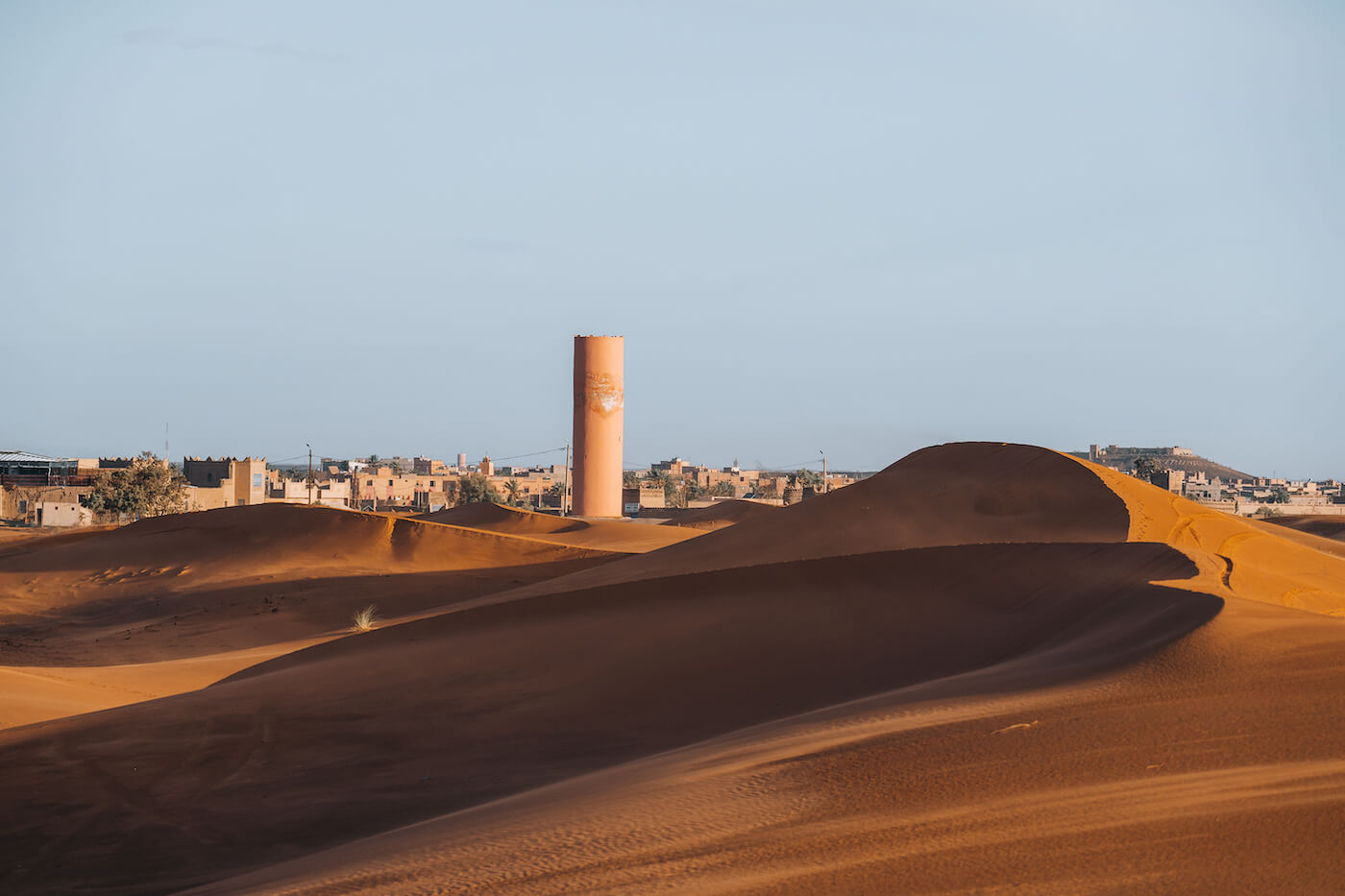


Consider exploring these destinations with Discover Sahara Tours.
Our private and shared excursions from Marrakech, Ouarzazate, Casbalanca, Fes and more include guided visits through these historic sites, along with authentic local experiences and comfortable accommodations.
Explore itineraries and inspiration at Discover Sahara Tours.
About us
We are a locally owned company focused on providing excursions around Morocco. Our goal is to create once in a lifetime experiences for our travelers whether it's a 3 day tour from Mrrakech to the Sahara Desert or 6 day tour from Fes to south Morocco.
Contact Us
+3216559003 | +212661377012
contact@discoversaharatours.com
Rue Yves St Laurent, Marrakech 40000
POWERED BY DISCOVER SAHARA TOURS © 2026 | SITEMAP