Morocco’s Red city
Marrakech.
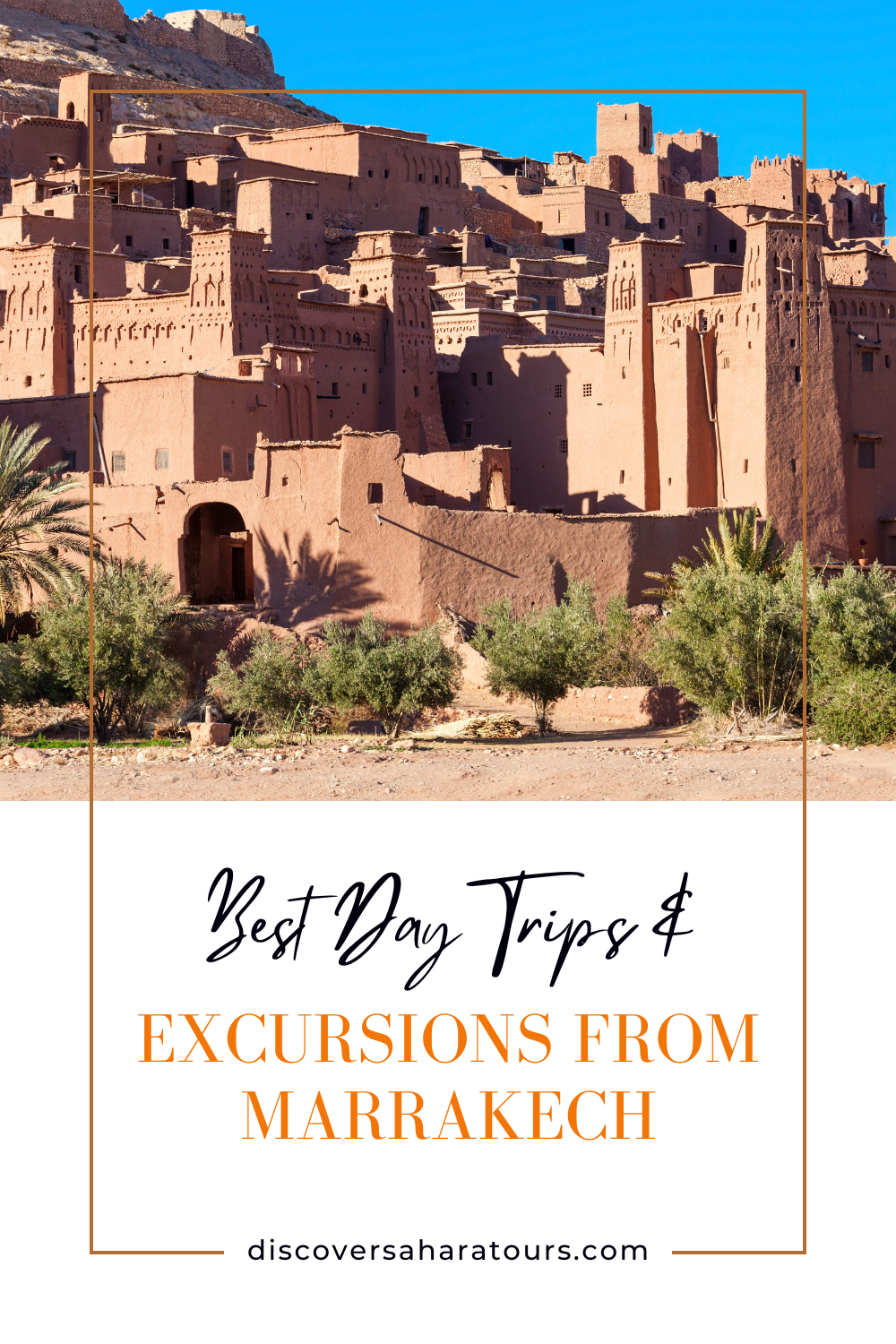
Marrakech, often called the "Red City" due to its iconic terracotta-colored walls, is a vibrant destination that bridges the historic with the modern. Known for its bustling souks, exquisite palaces, and tranquil gardens, Marrakech offers an immersive sensory experience. Whether you're strolling through the UNESCO-listed Medina, savoring local delicacies, or admiring the intricate artistry of its architecture, Marrakech is a city that will captivate your heart and imagination.
The Rich Culture of
Marrakech
Marrakech is a city shaped by centuries of movement—caravans crossing the Sahara, dynasties rising and falling, scholars, artisans, and storytellers leaving their mark. Founded in the 11th century, it has long served as a crossroads between Africa, the Middle East, and Europe. This layered history is not confined to museums or monuments; it lives in everyday rhythms, in the calls echoing through alleyways, and in the way tradition and modern life coexist side by side.
At the heart of the old city lies the Medina of Marrakech, a UNESCO-listed maze of narrow streets where daily life unfolds much as it has for generations. Workshops spill into the lanes, artisans practice trades passed down within families, and neighborhood ovens, hammams, and markets continue to anchor community life. As day turns to evening, the city’s pulse draws many toward Jemaa el-Fnaa, where oral storytelling, music, and food stalls reflect Marrakech’s long-standing tradition of shared public space.
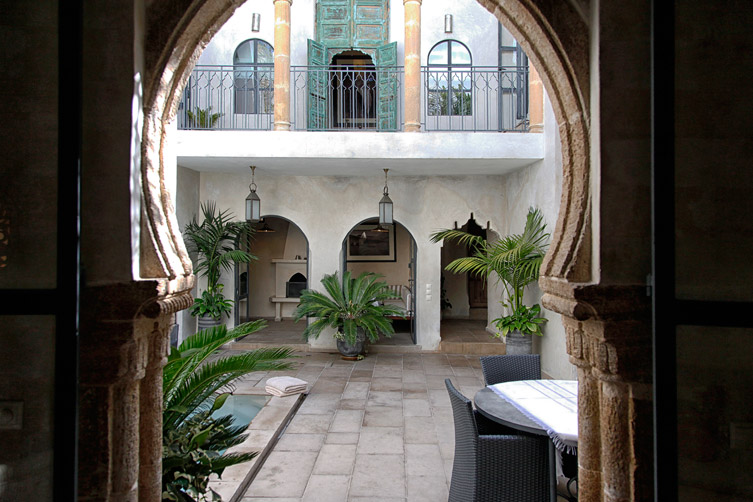
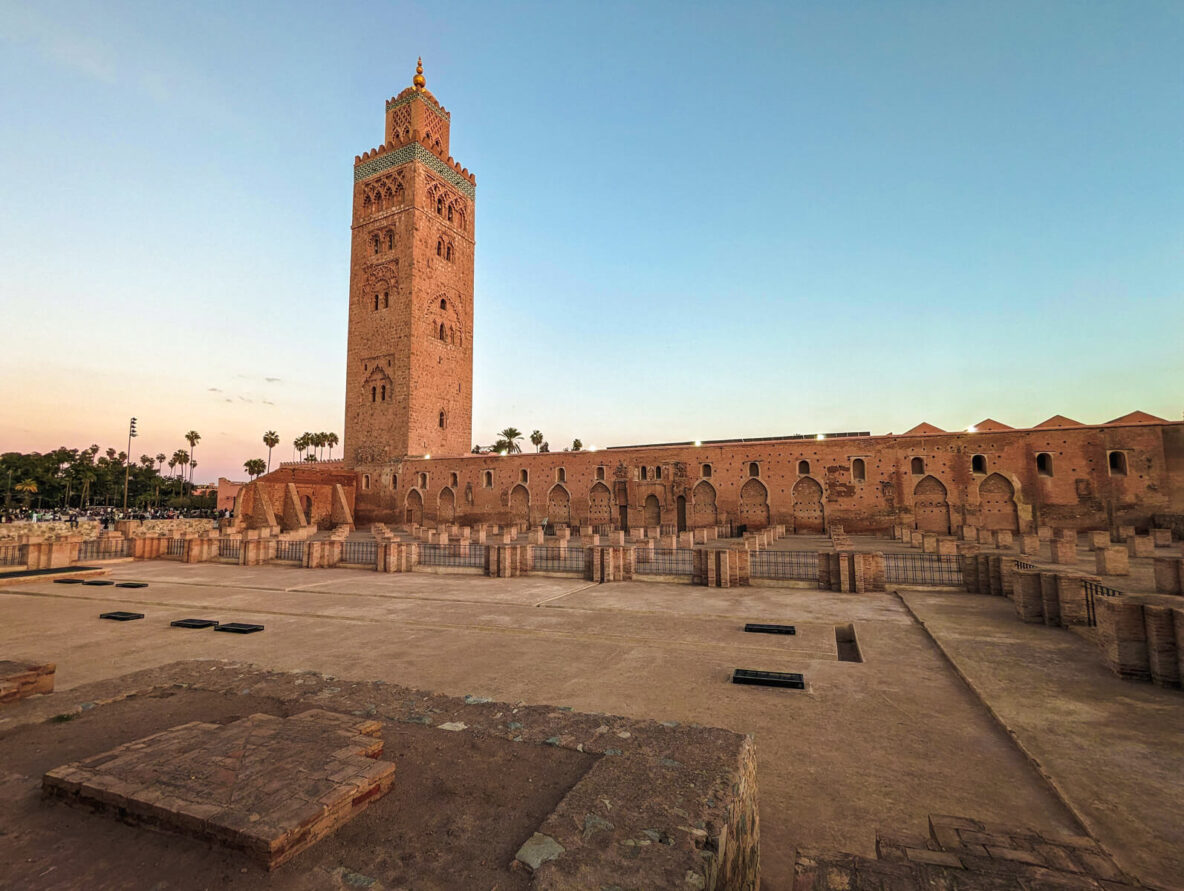
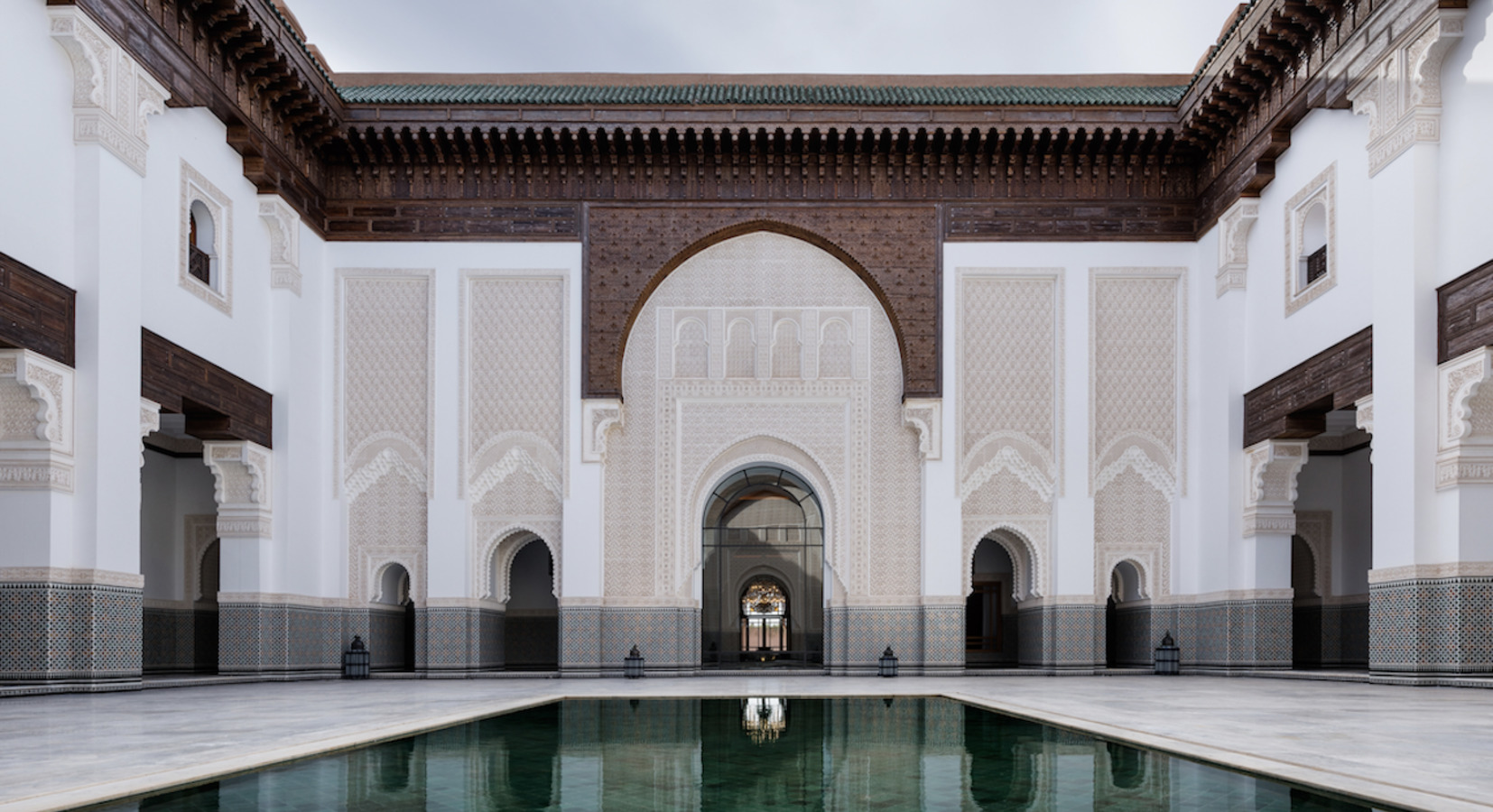
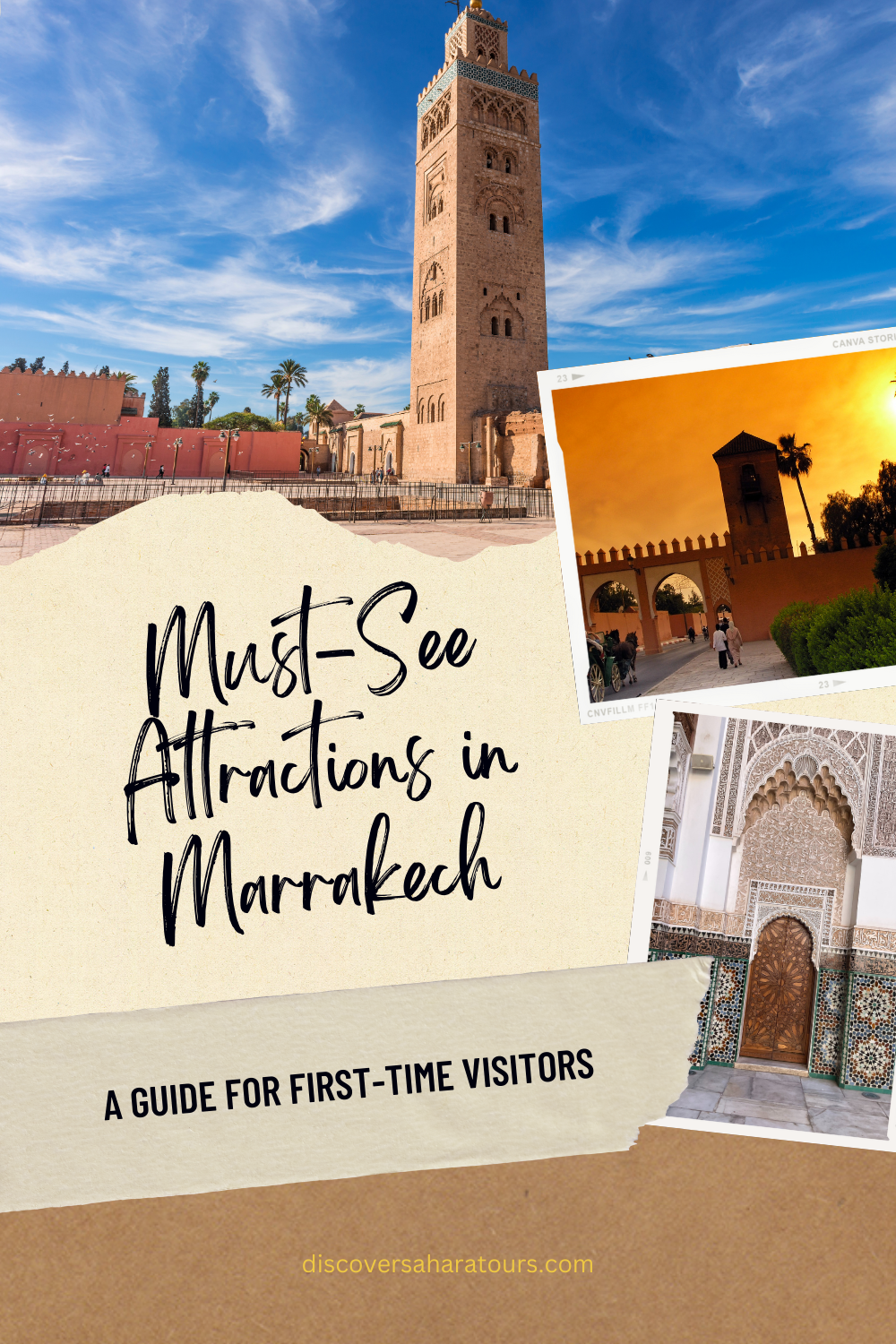
Religion and architecture play a quiet but powerful role in shaping the city’s identity. The silhouette of the Koutoubia Mosque dominates the skyline, a reminder of Marrakech’s spiritual foundations and its influence on North African design. Elsewhere, palaces and riads reveal intricate tilework, carved cedar, and tranquil courtyards—design elements meant not to impress from the outside, but to create harmony and refuge within. These spaces reflect a cultural value placed on balance, privacy, and beauty in daily life.
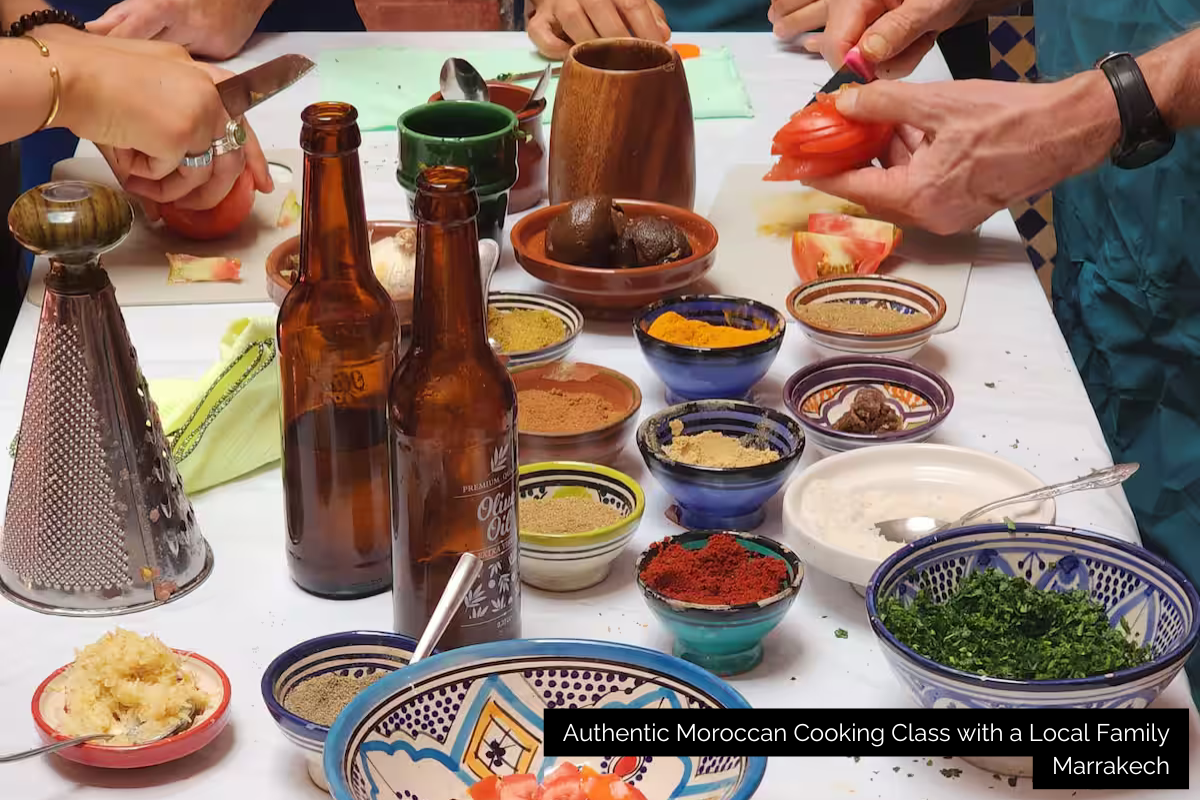
What makes Marrakech culturally rich is not only its history, but its continuity. Music, cuisine, craftsmanship, and social customs remain deeply connected to the past while adapting to the present. Whether sharing mint tea, navigating the souks, or listening to the evening call to prayer, visitors often sense that Marrakech is not a city that performs its culture—it lives it. For those willing to observe, listen, and slow down, the city offers insight into a way of life shaped by time, tradition, and human connection.
Discover
Can't Miss Destinations
Ready to discover Marrakech like a local? Look no further than Discover Sahara Tours.
Experience
Local Activities
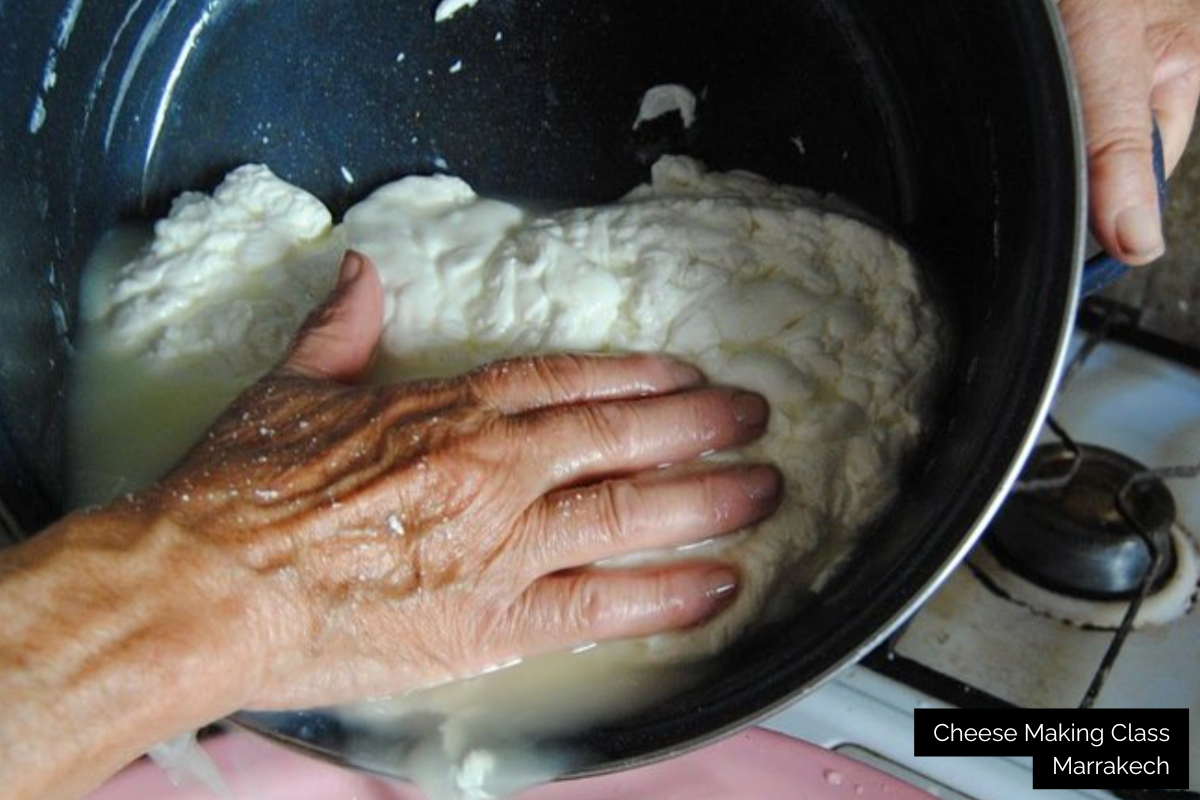
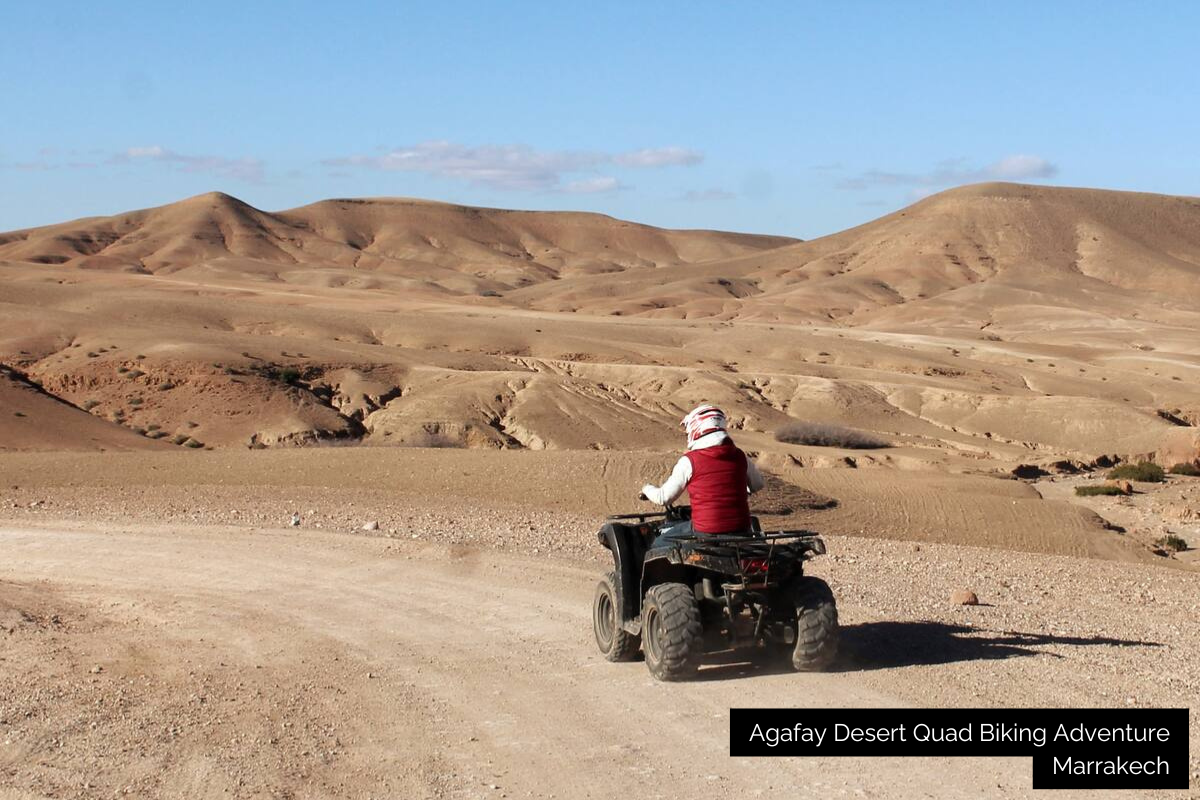

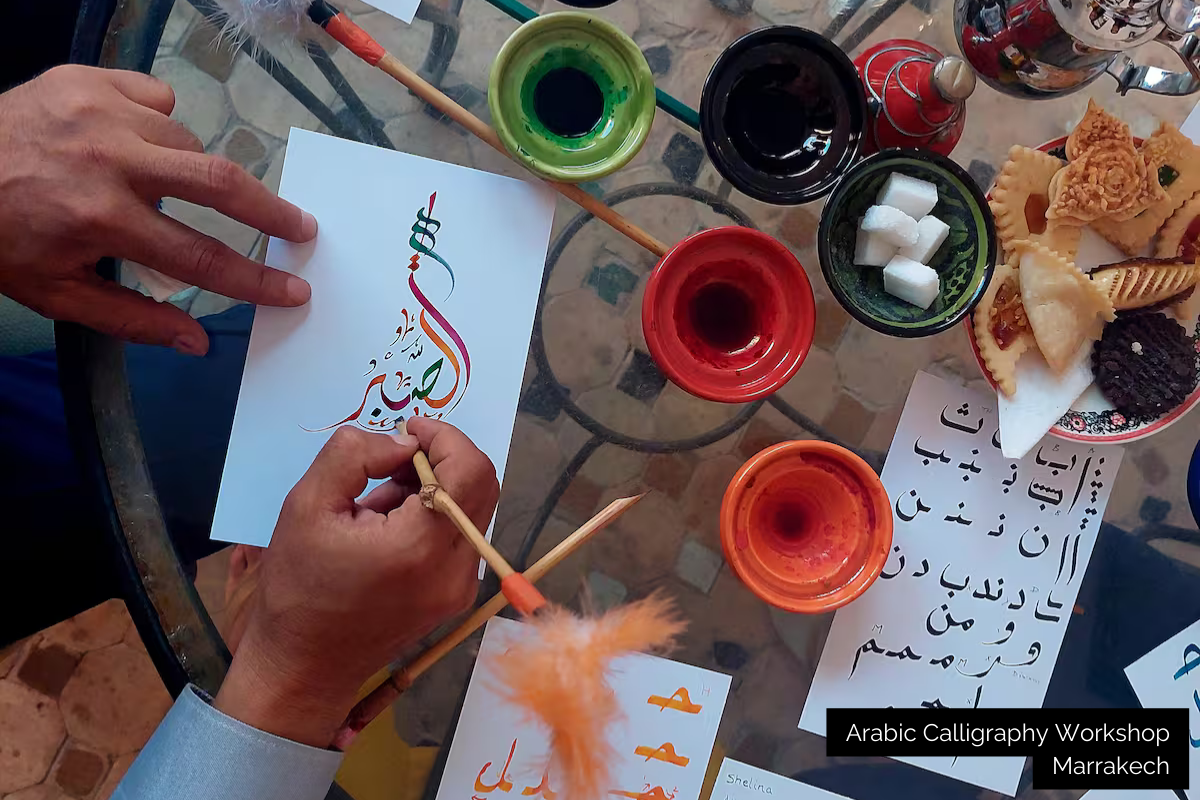
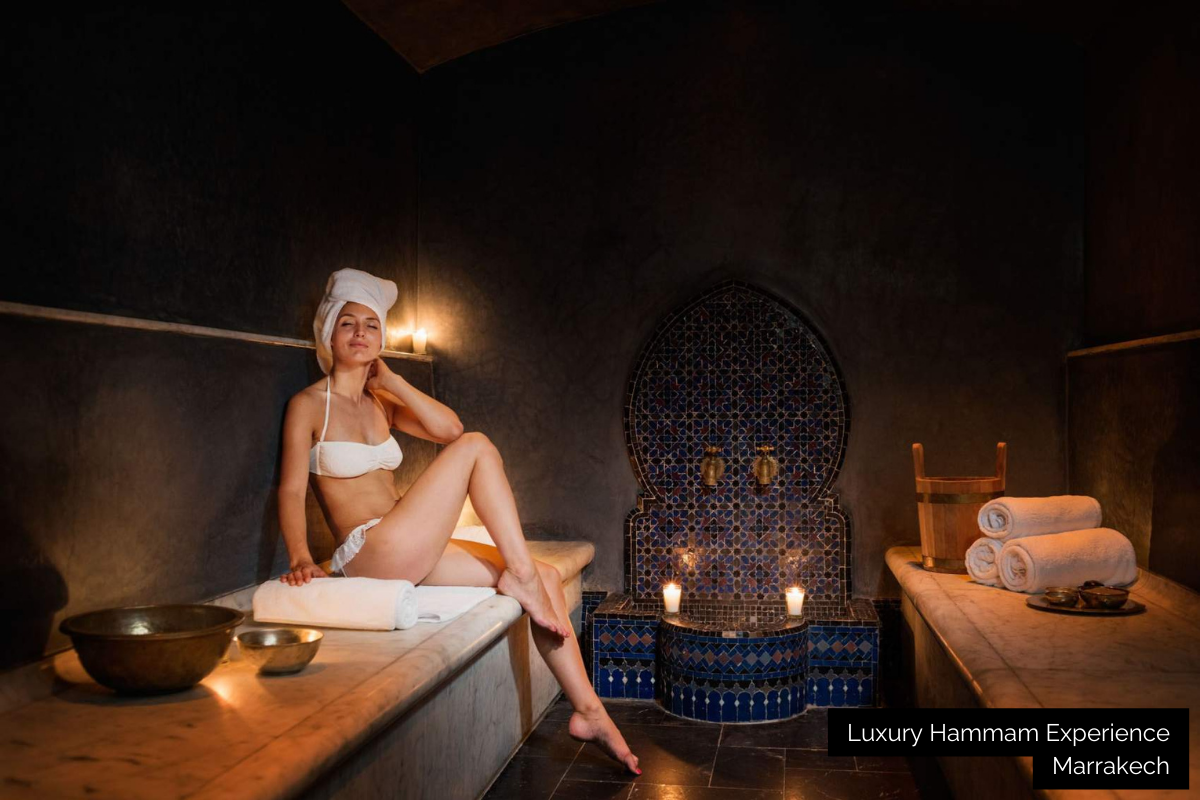
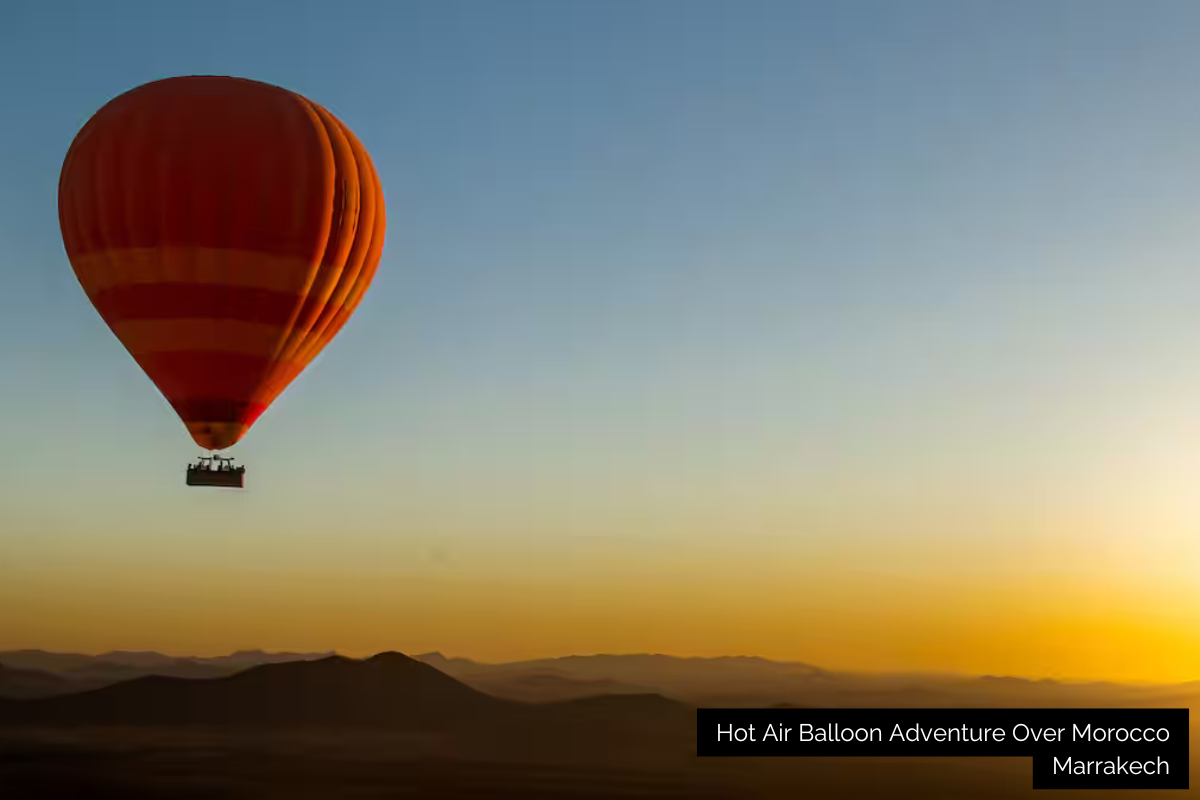
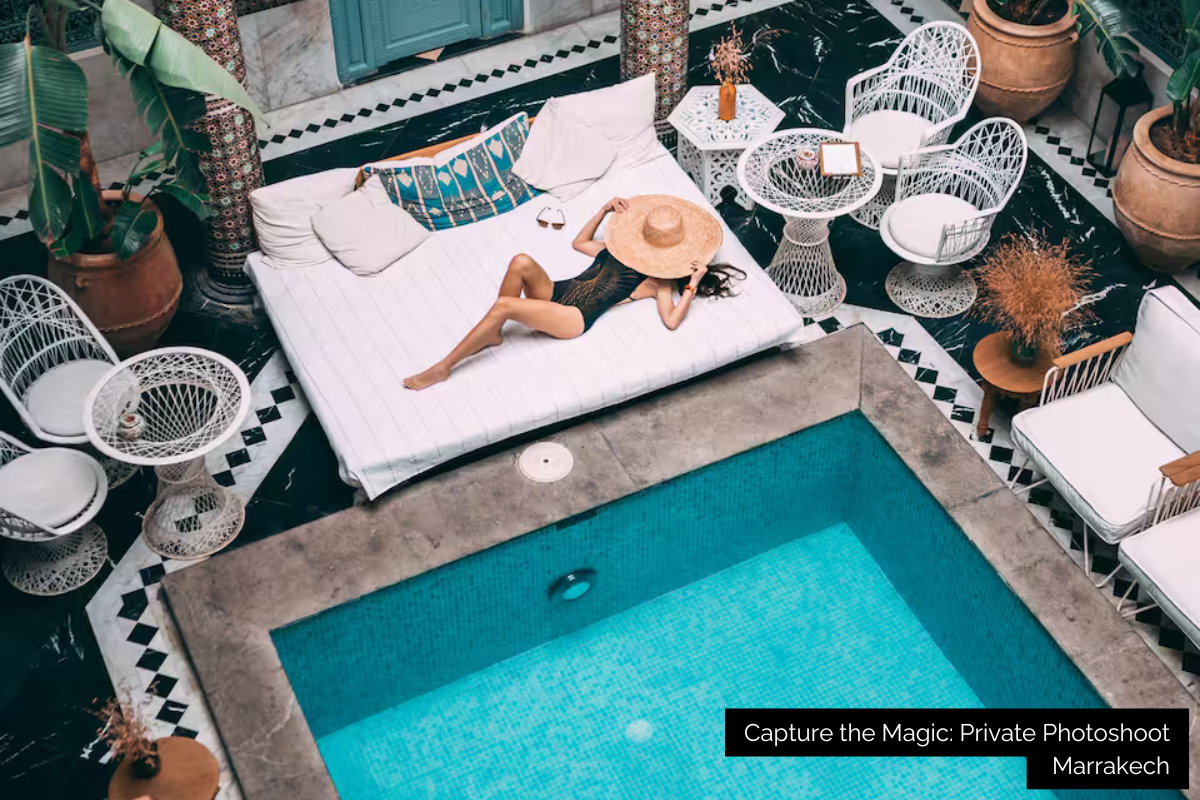

practical information for visiting
Marrakech
Visiting Marrakech is as much about preparation as it is about curiosity. The city rewards travelers who understand its pace, customs, and seasons before arriving. The most comfortable times to visit are generally spring (March–May) and autumn (September–November), when daytime temperatures are warm but manageable and evenings are pleasant. Summer can be intensely hot, especially in July and August, while winter brings cooler nights but plenty of sunshine during the day—often ideal for sightseeing if you pack layers.
Most international travelers arrive through Marrakesh Menara Airport, located about 15–20 minutes from the city center. Transfers can be arranged through accommodations or tour operators, or you can use official airport taxis with fixed rates posted outside the terminal. Once in the city, transportation depends largely on where you are staying. Walking is often the best way to explore the historic Medina of Marrakech, where cars cannot enter and navigation is part of the experience. For longer distances, petit taxis (small beige cars) are affordable and widely available—just be sure the meter is used or agree on a fare beforehand. Ride-hailing apps are limited, so traditional taxis remain the most reliable option.
Understanding local etiquette goes a long way in Marrakech. Modest clothing is appreciated, especially within the medina and religious areas—covered shoulders and knees are a respectful default for both men and women. Public displays of affection are uncommon, and photography should always be done with sensitivity, particularly when people are involved. Asking permission before taking someone’s photo is not only polite but often expected. Greetings matter here; a simple “salaam alaikum” is always warmly received and sets a friendly tone.
Money matters are straightforward but worth noting. The local currency is the Moroccan dirham (MAD), and while credit cards are accepted in many hotels, riads, and larger restaurants, cash is essential for souks, taxis, tips, and small cafés. ATMs are widely available, but it’s wise to carry smaller bills for daily expenses. Tipping is customary but modest—rounding up taxi fares, leaving a few dirhams for café service, and offering small tips to guides or drivers are all appreciated gestures rather than strict rules.
A few practical tips can make your stay smoother. Download offline maps, as GPS can struggle in narrow medina streets. Keep a copy of your accommodation’s address handy, especially if arriving after dark. Expect lively sounds—calls to prayer, street vendors, and evening activity are part of the city’s rhythm. Finally, allow yourself extra time; Marrakech does not operate on strict schedules, and embracing that flexibility often leads to the most rewarding experiences.
Marrakech can feel intense at first, but with a bit of practical knowledge and an open mindset, it becomes remarkably welcoming. Understanding how the city moves—its seasons, customs, and daily logistics—helps visitors engage more deeply, turning what could feel overwhelming into something richly immersive and memorable.
Where to stay in
Marrakech
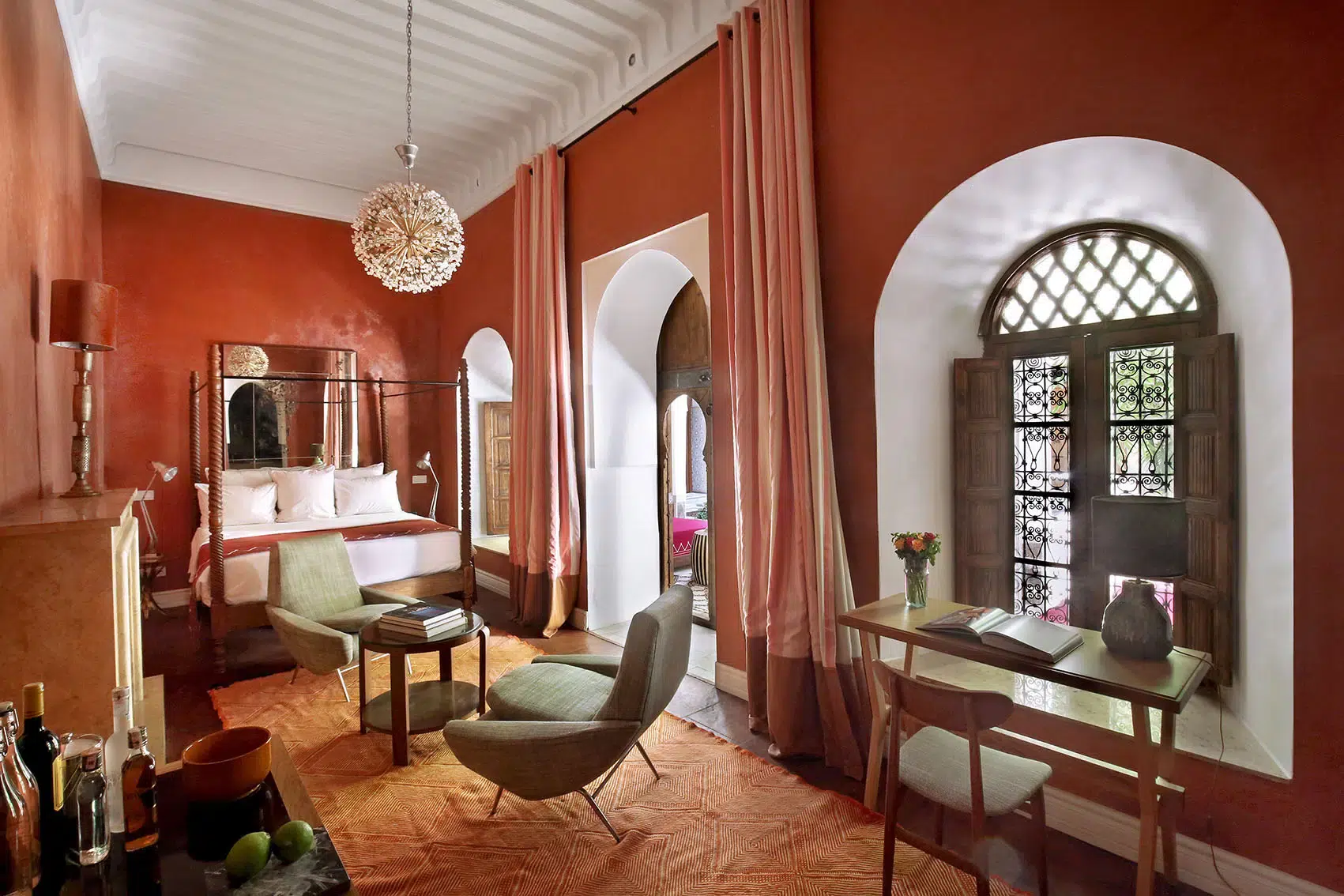
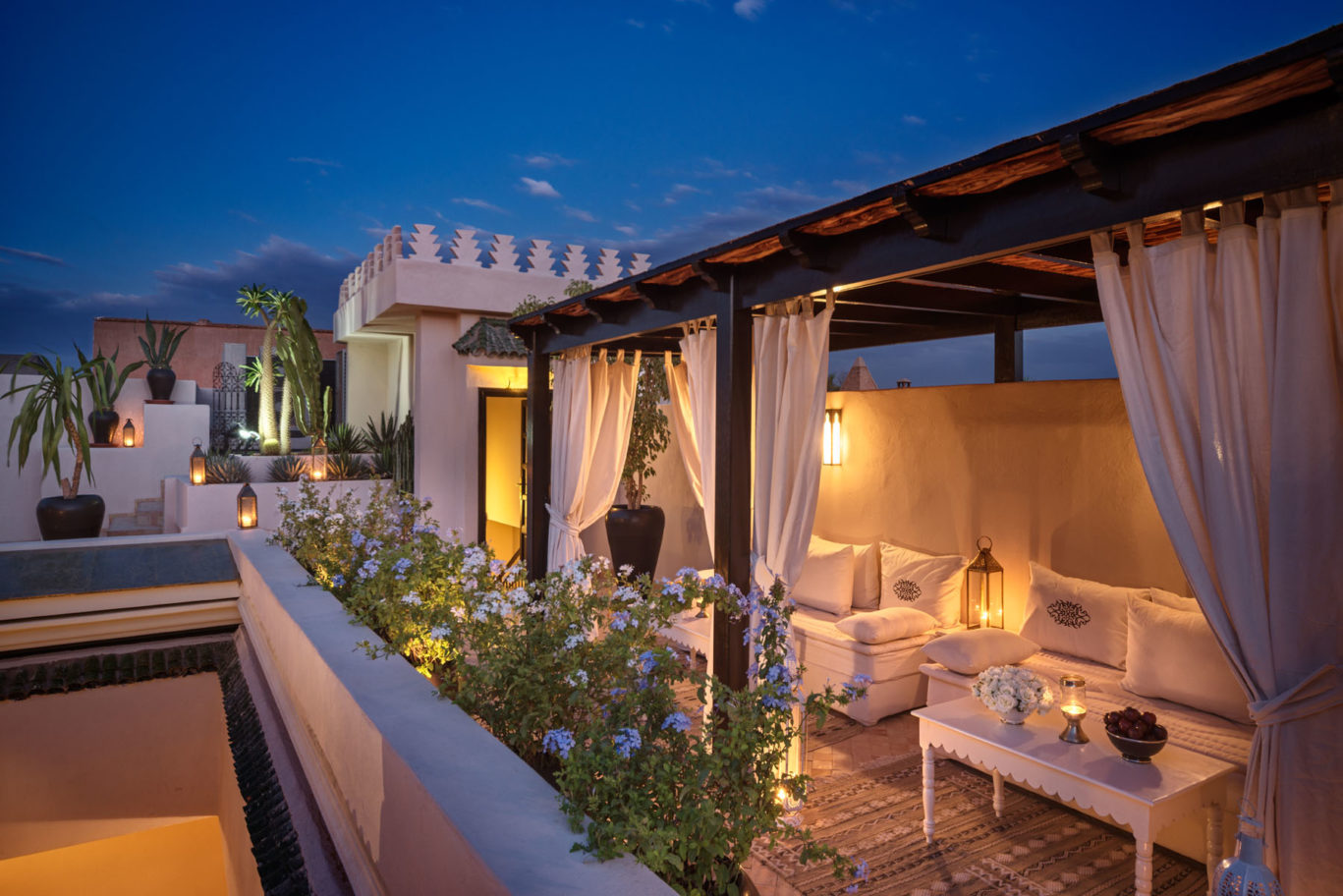
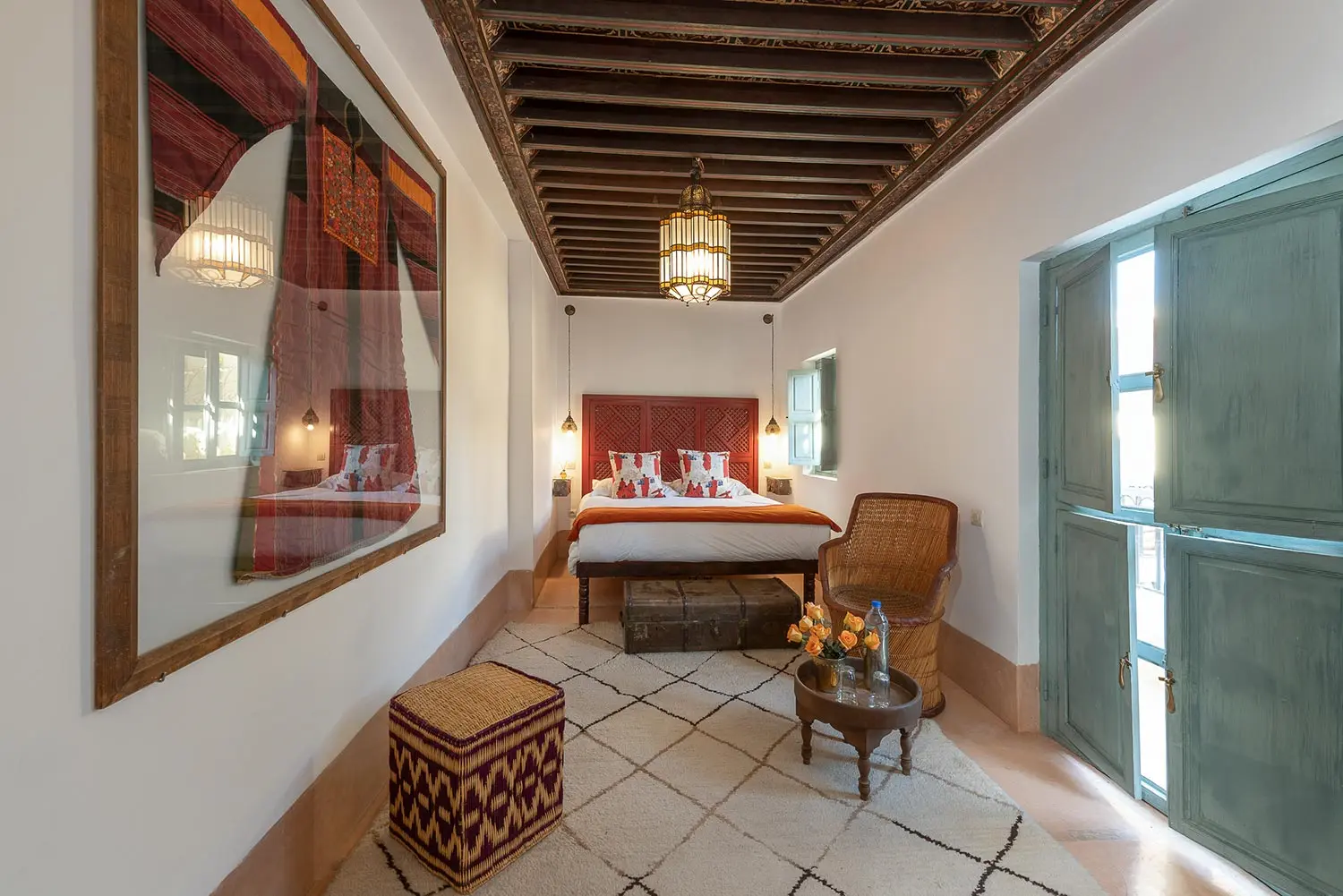
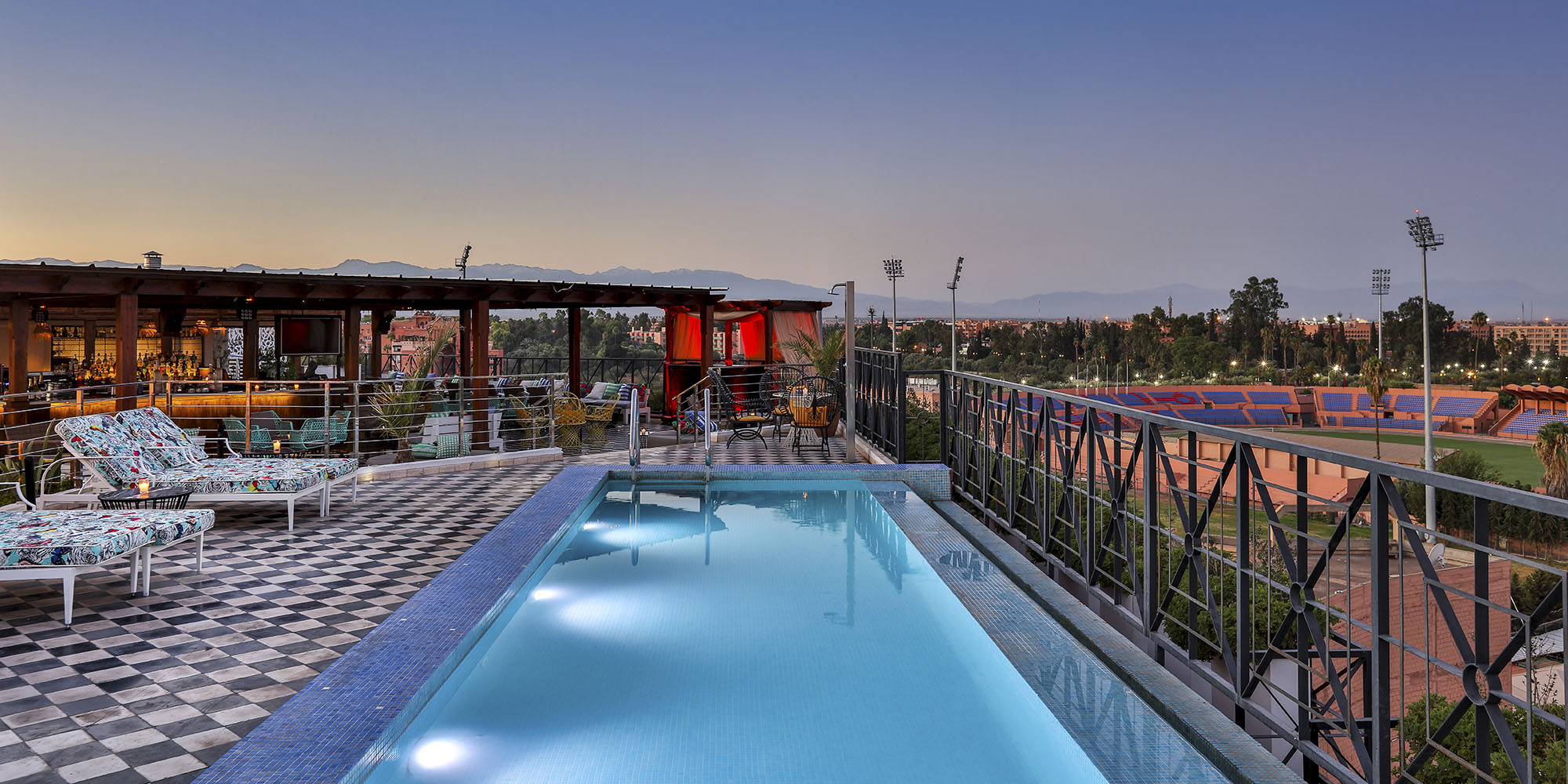
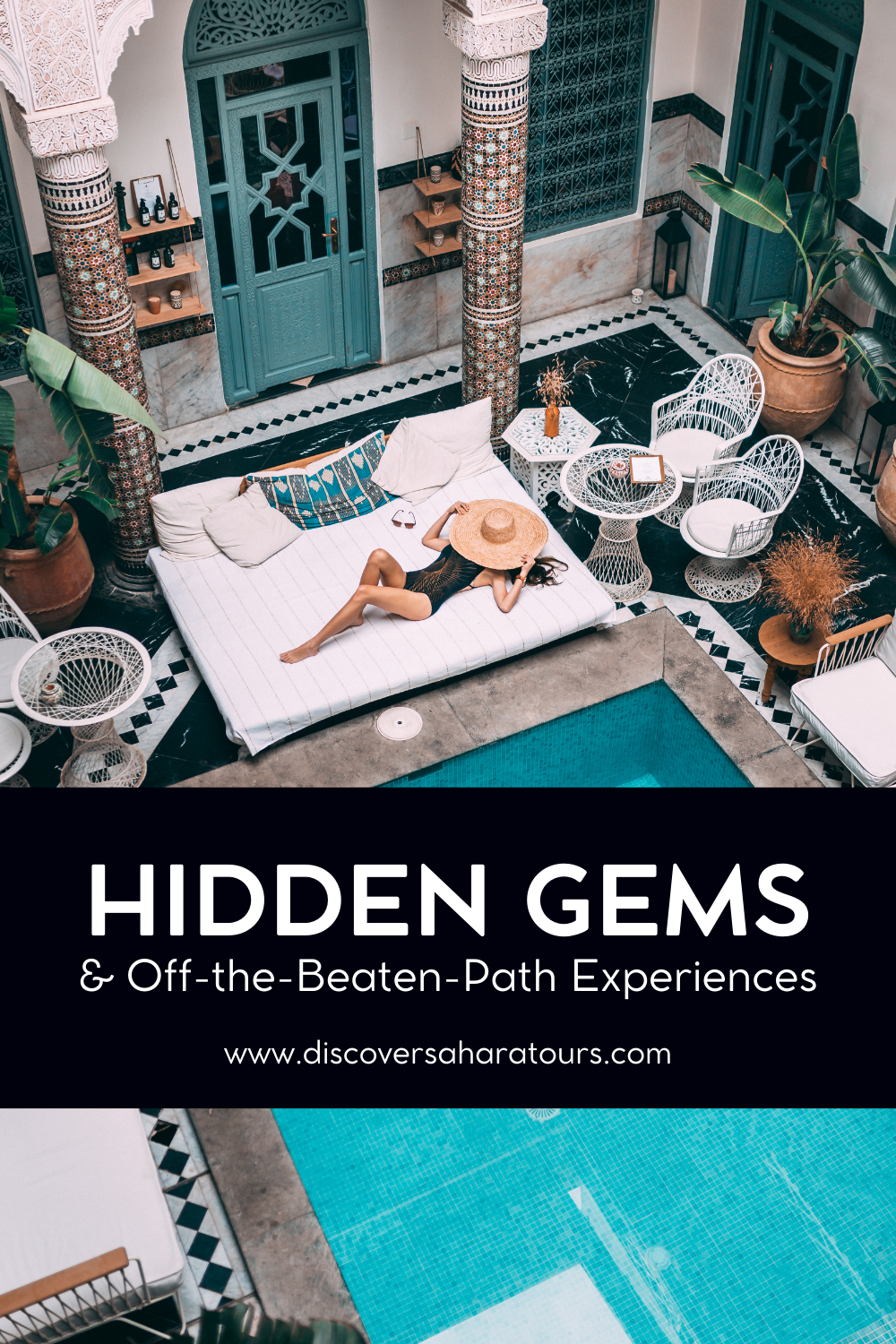
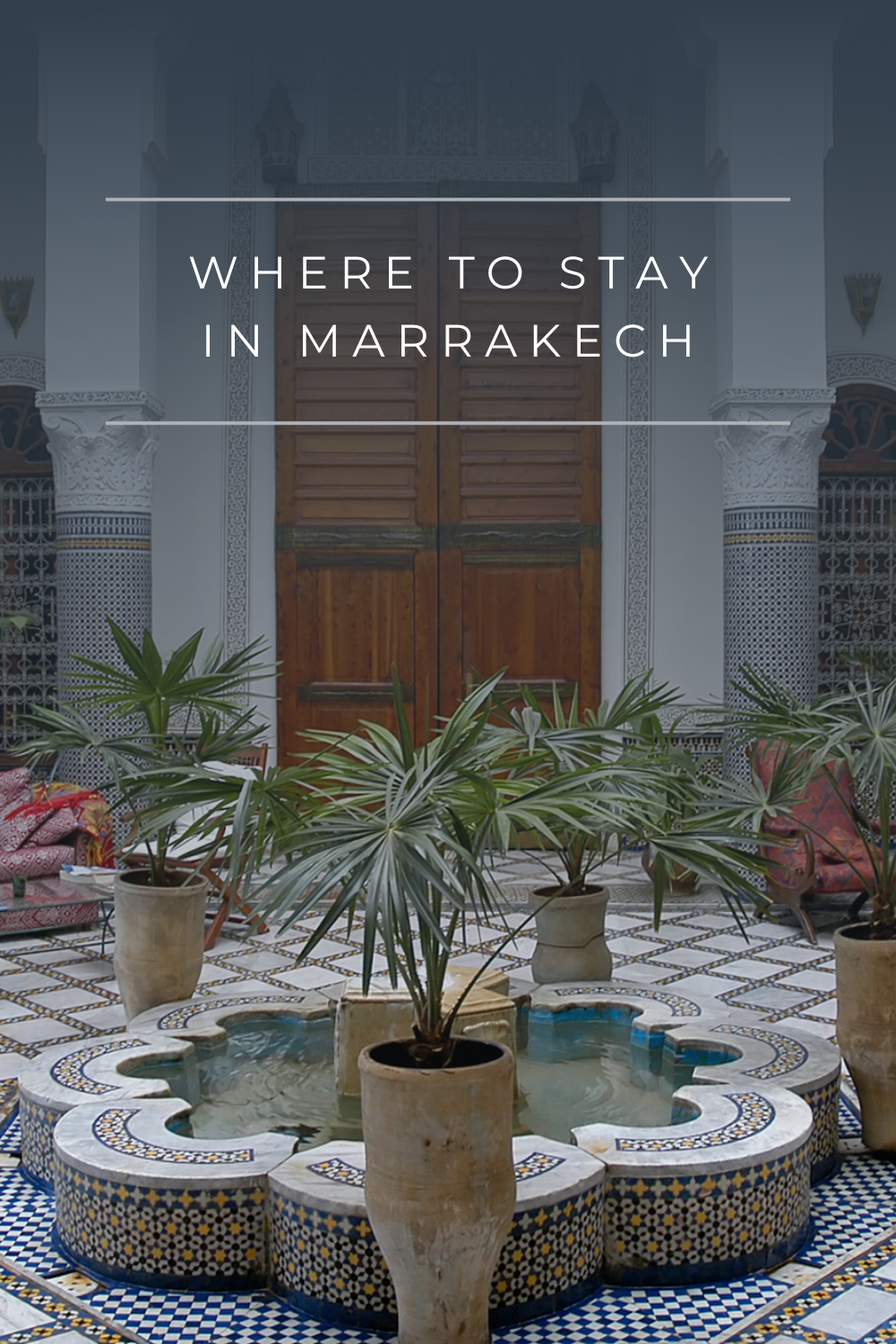
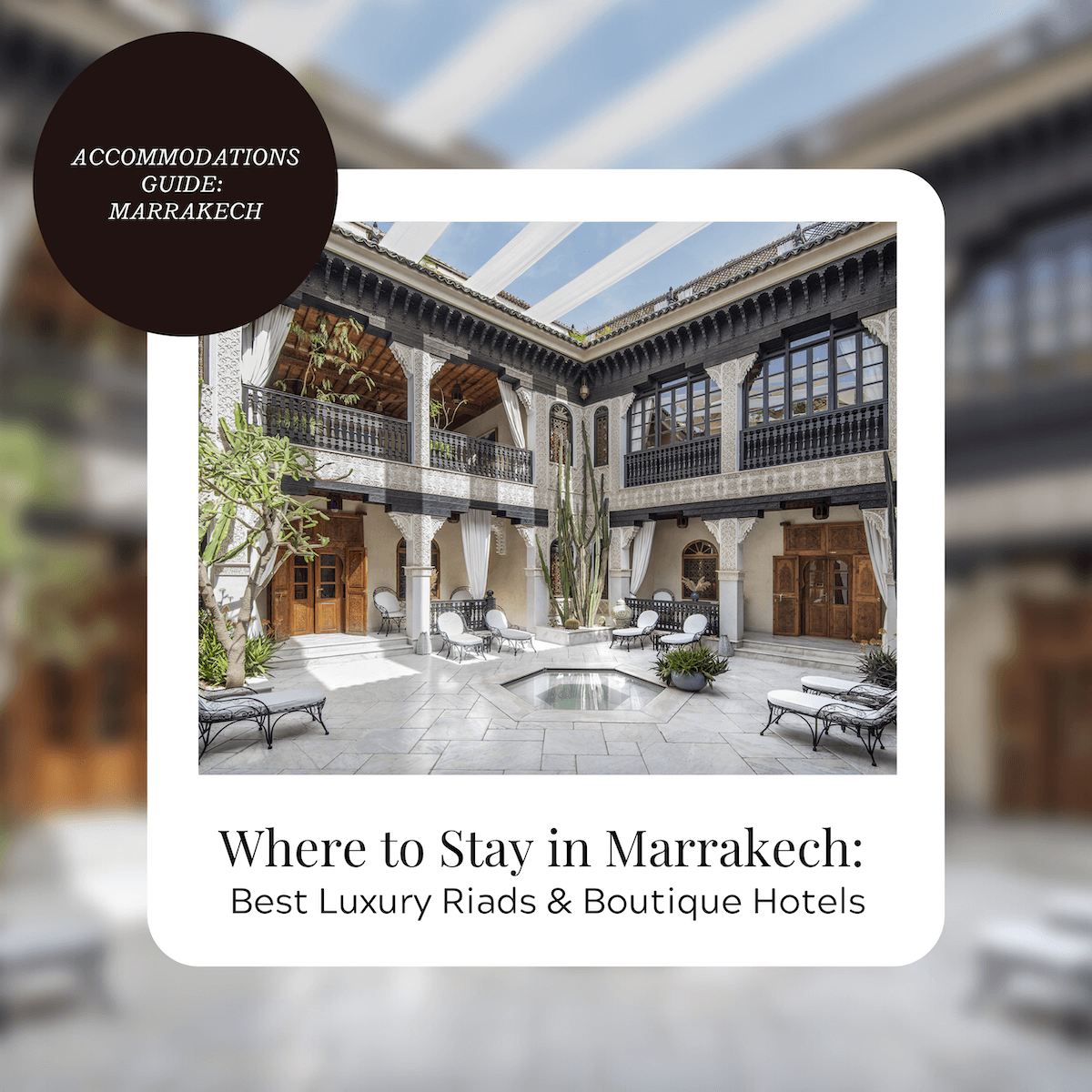
Marrakech offers a wide range of accommodation options, and choosing where to stay often shapes how you experience the city. The historic Medina of Marrakech is ideal for travelers who want to be immersed in daily life—waking to the sounds of the city, stepping directly into the souks, and staying within walking distance of major landmarks. Outside the medina, neighborhoods such as Hivernage and Gueliz offer a more modern feel, with wider streets, contemporary restaurants, cafés, and easier vehicle access. These areas are often preferred by travelers who value convenience, nightlife, or a resort-style atmosphere while still being a short drive from the old city.
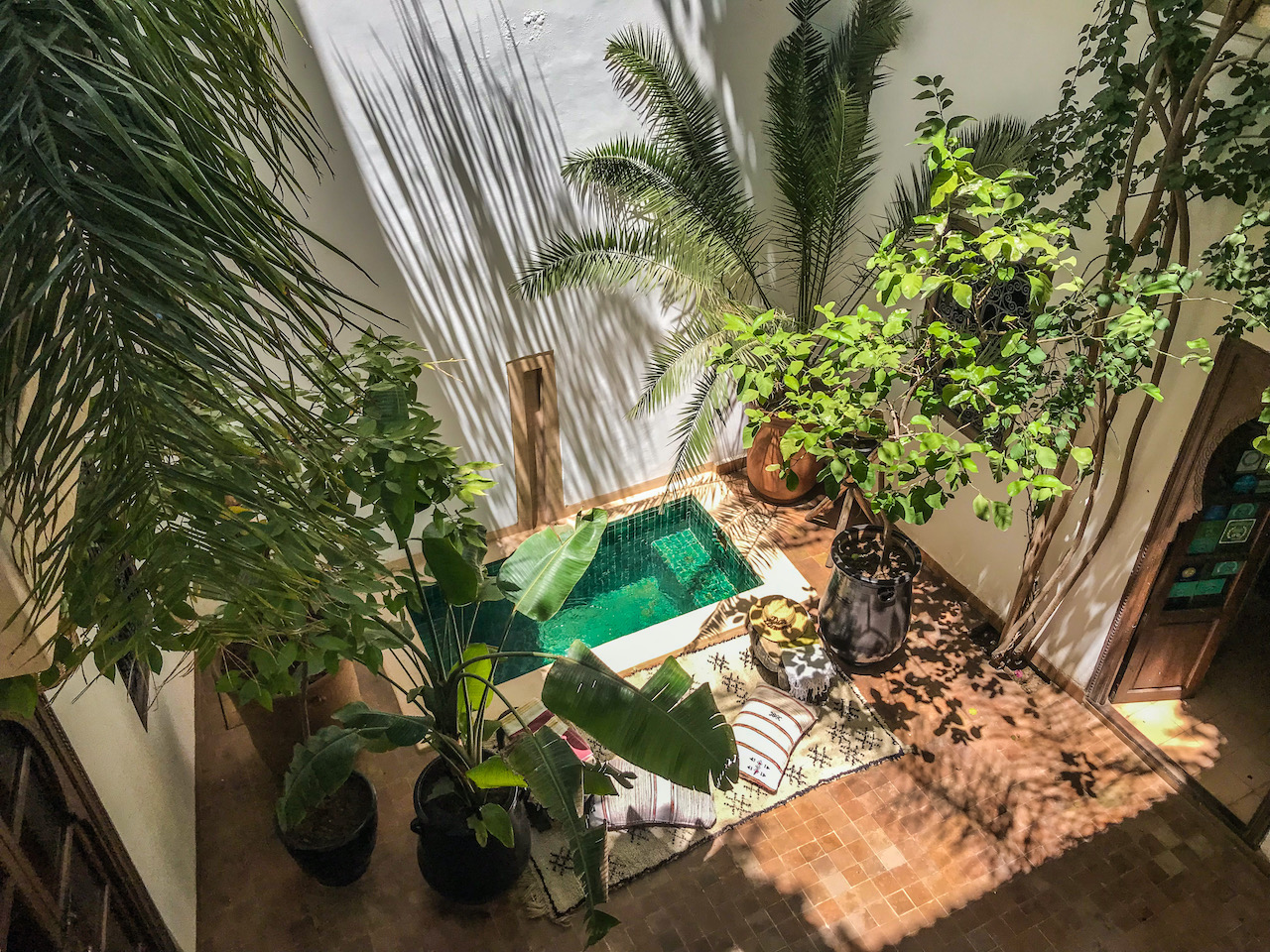
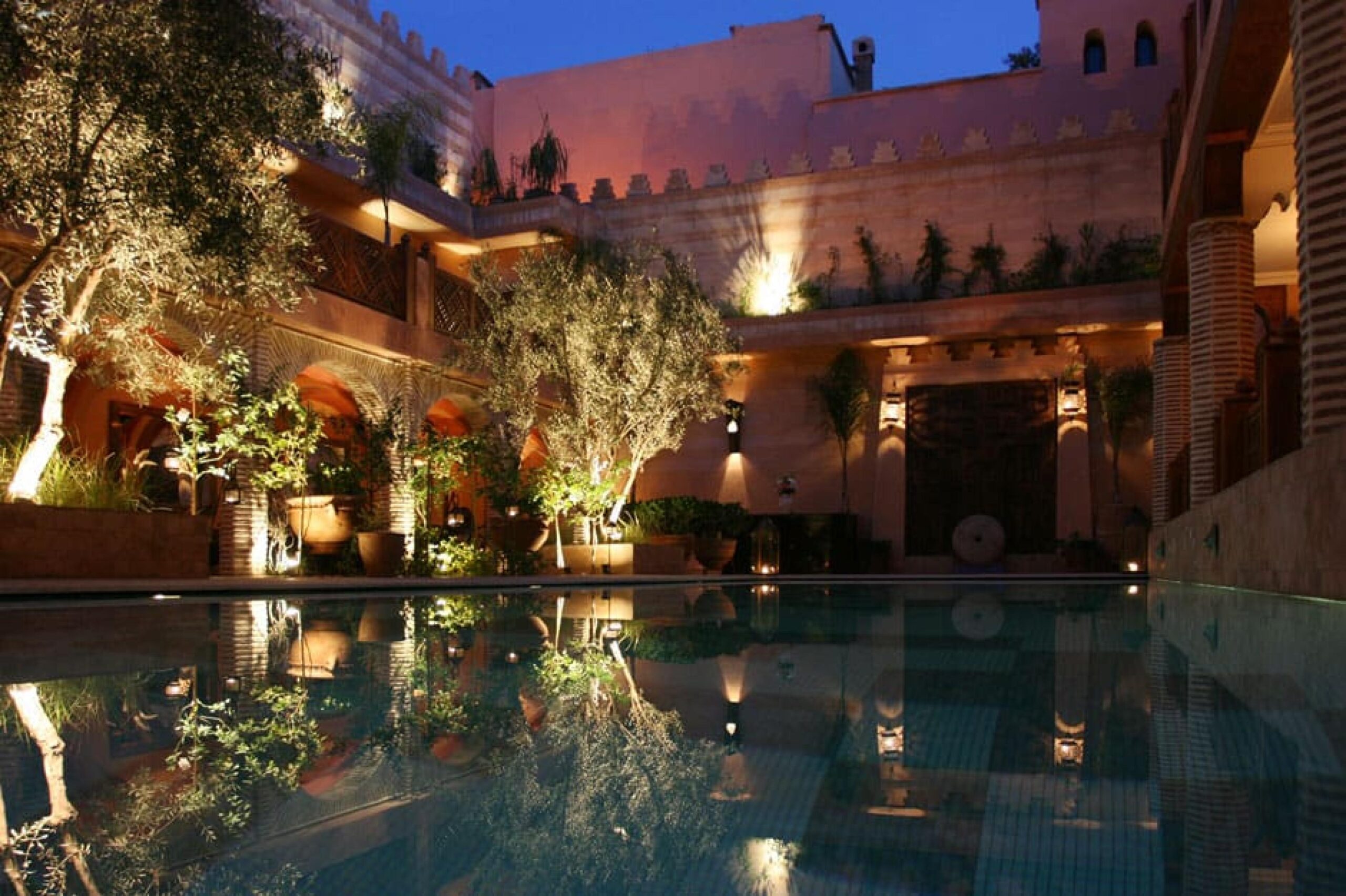
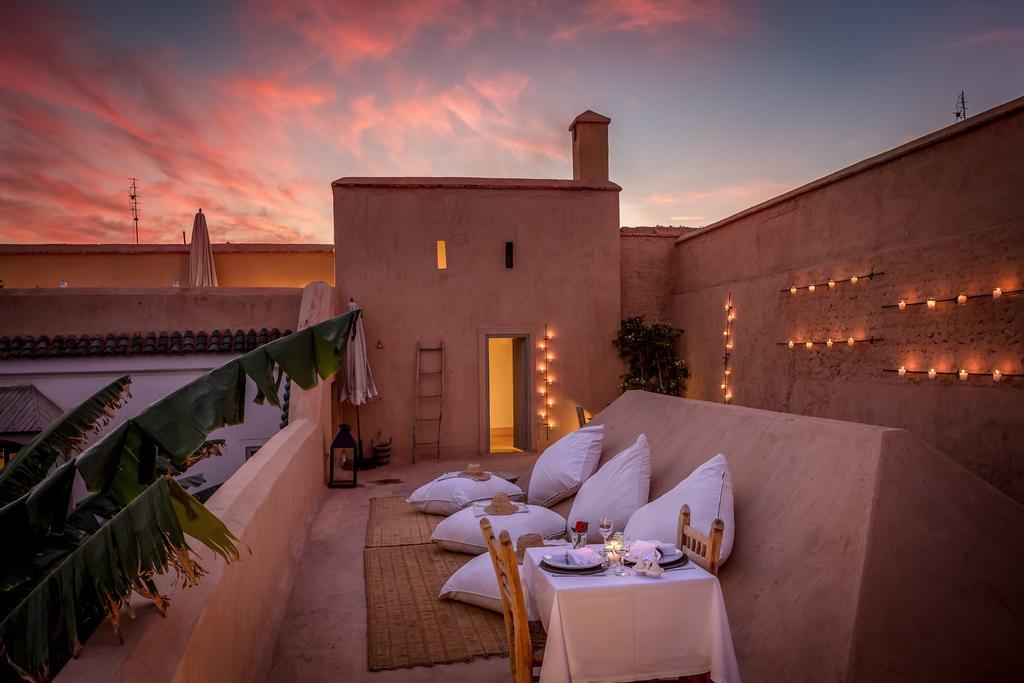
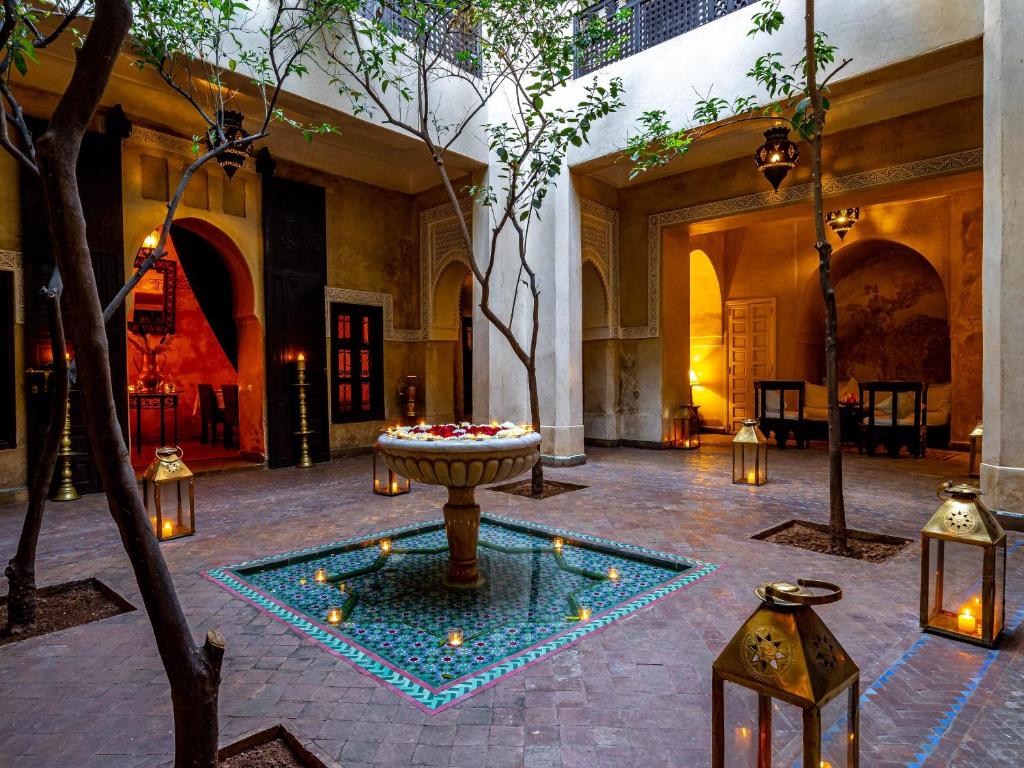
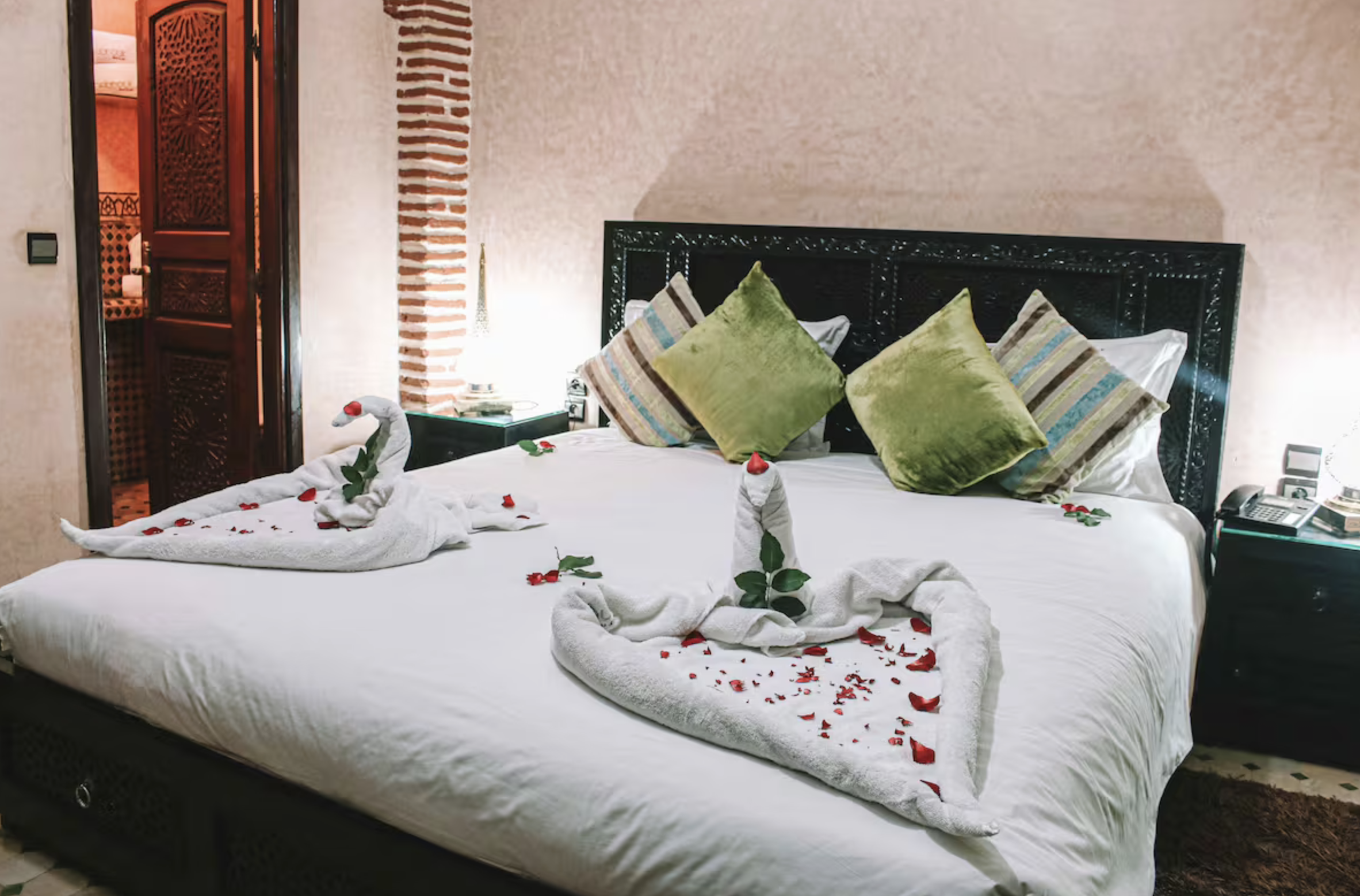
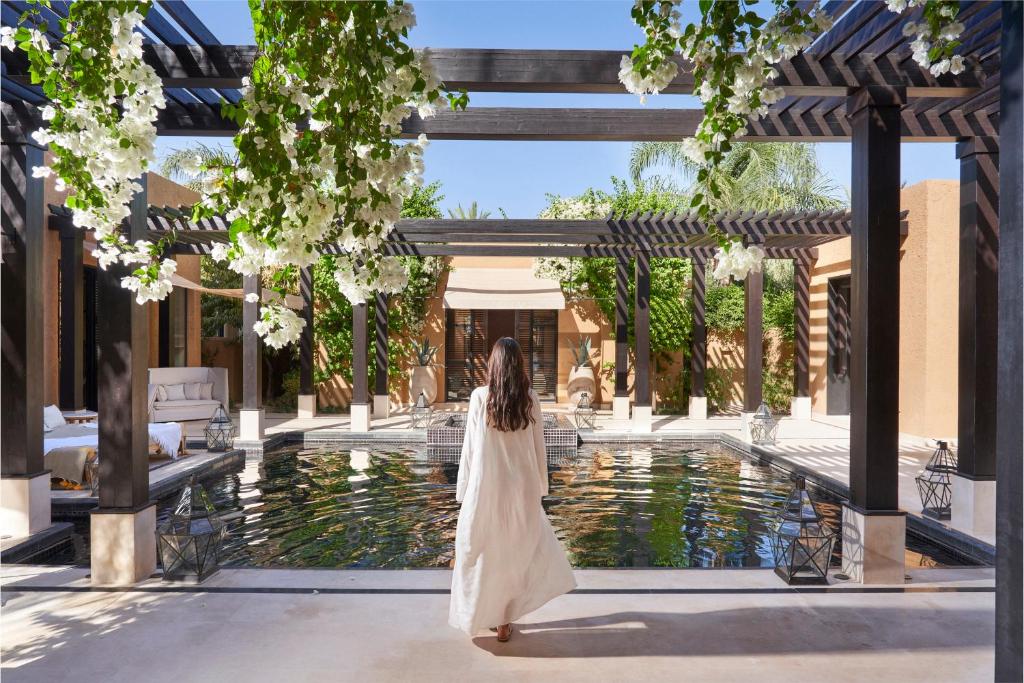
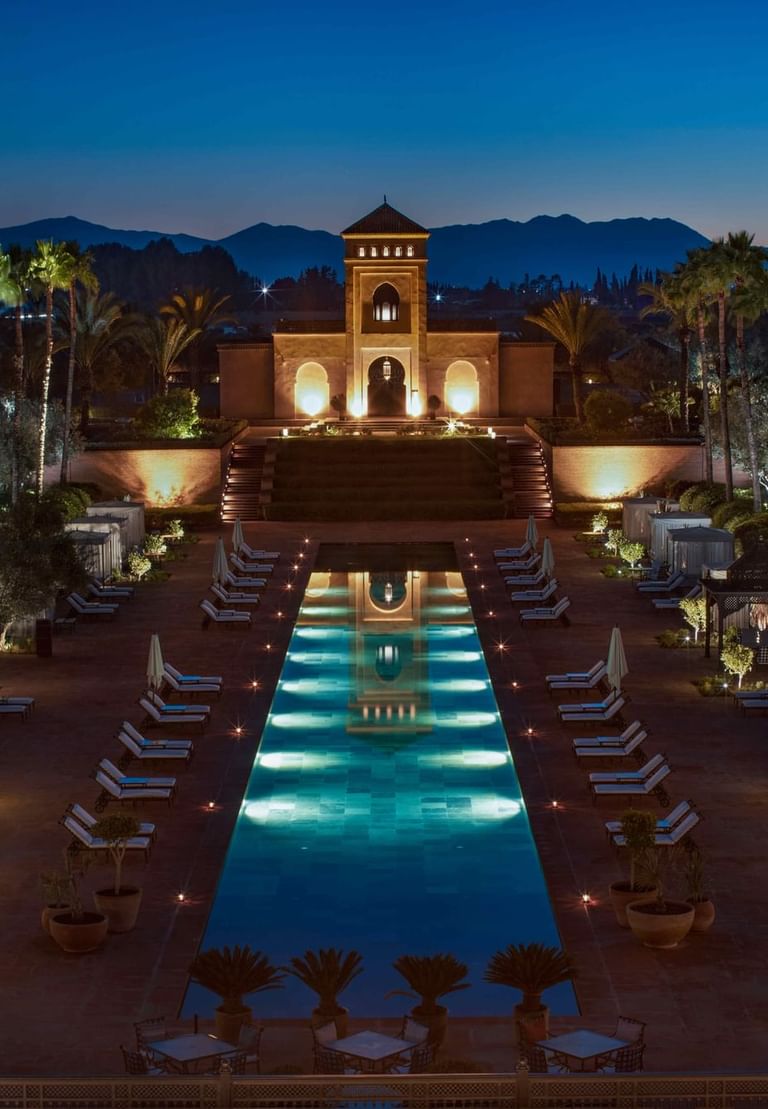
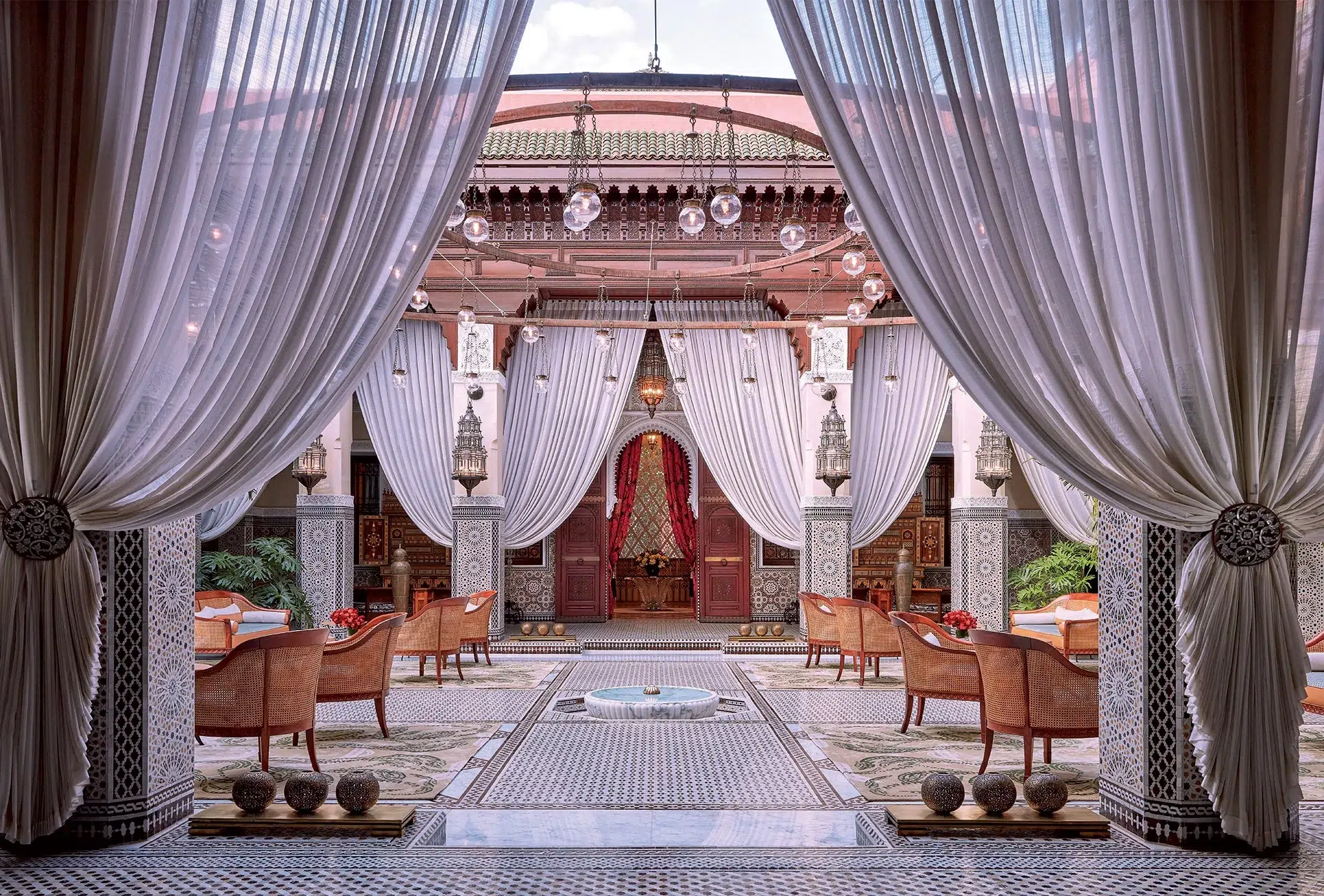
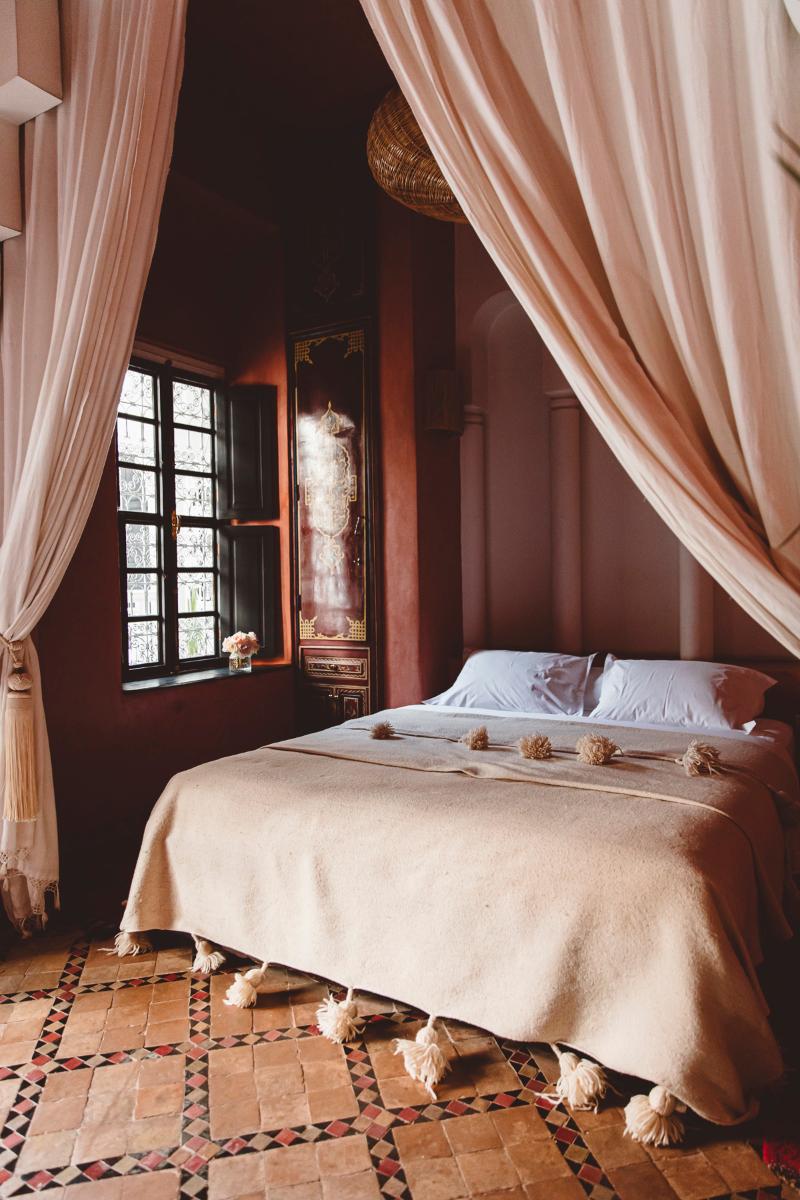
Accommodation styles in Marrakech generally fall into two main categories: riads and hotels. Riads are traditional Moroccan homes built around an interior courtyard, offering an intimate, atmospheric stay that reflects local architecture and hospitality. Hotels, by contrast, range from boutique properties to large international resorts with extensive amenities such as pools, spas, and multiple dining options. Within both styles, accommodations are commonly grouped into Classic, Deluxe, and Royal categories. Classic properties are comfortable and authentic, focusing on charm and value. Deluxe options offer higher levels of comfort, refined design, and additional services, while Royal accommodations represent the most luxurious experiences—featuring spacious rooms, premium finishes, personalized service, and standout locations. Each level offers a distinct way to experience Marrakech, allowing travelers to choose what best fits their travel style, expectations, and budget.
Accommodations We Work With in Marrakech
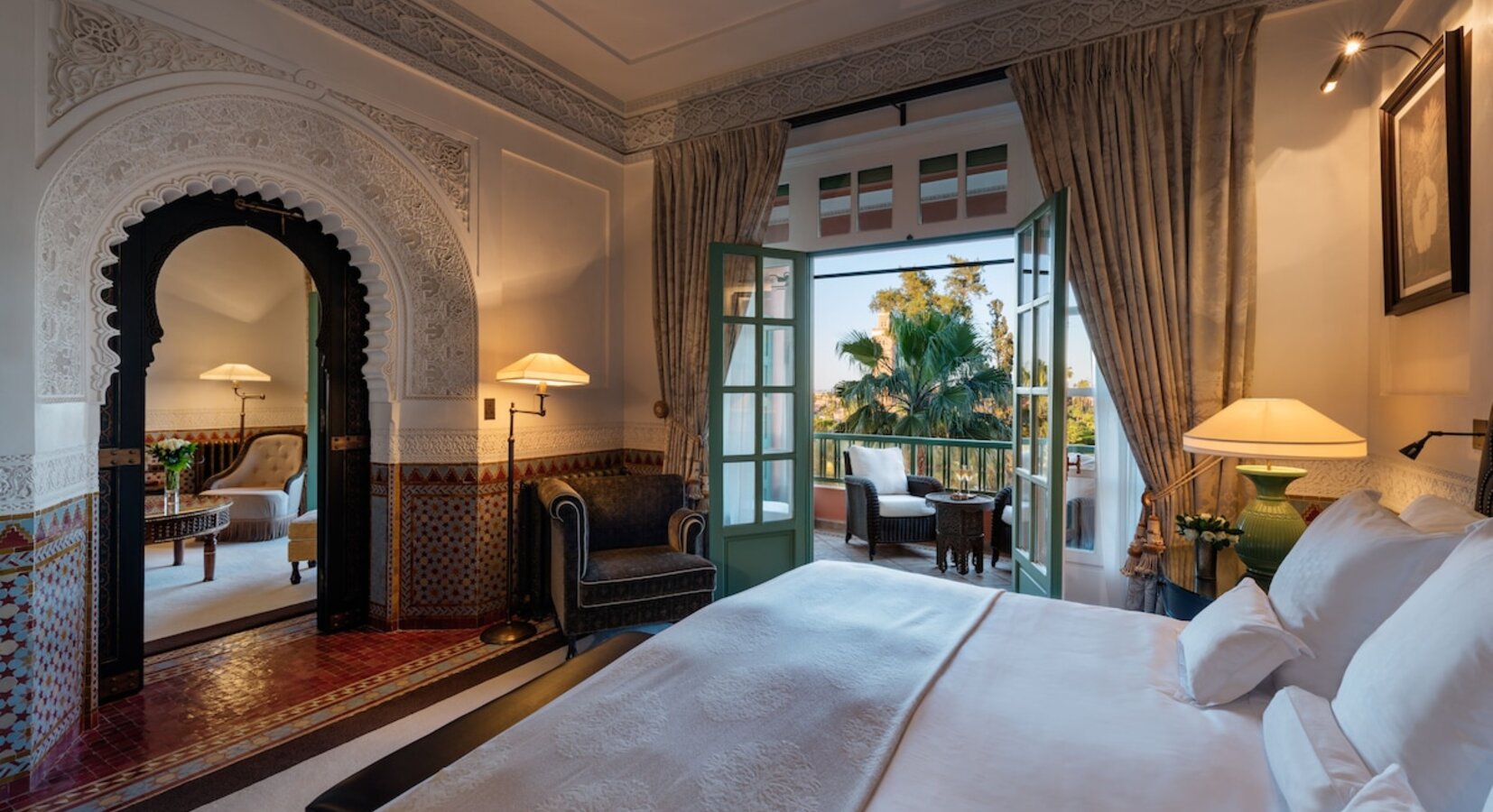
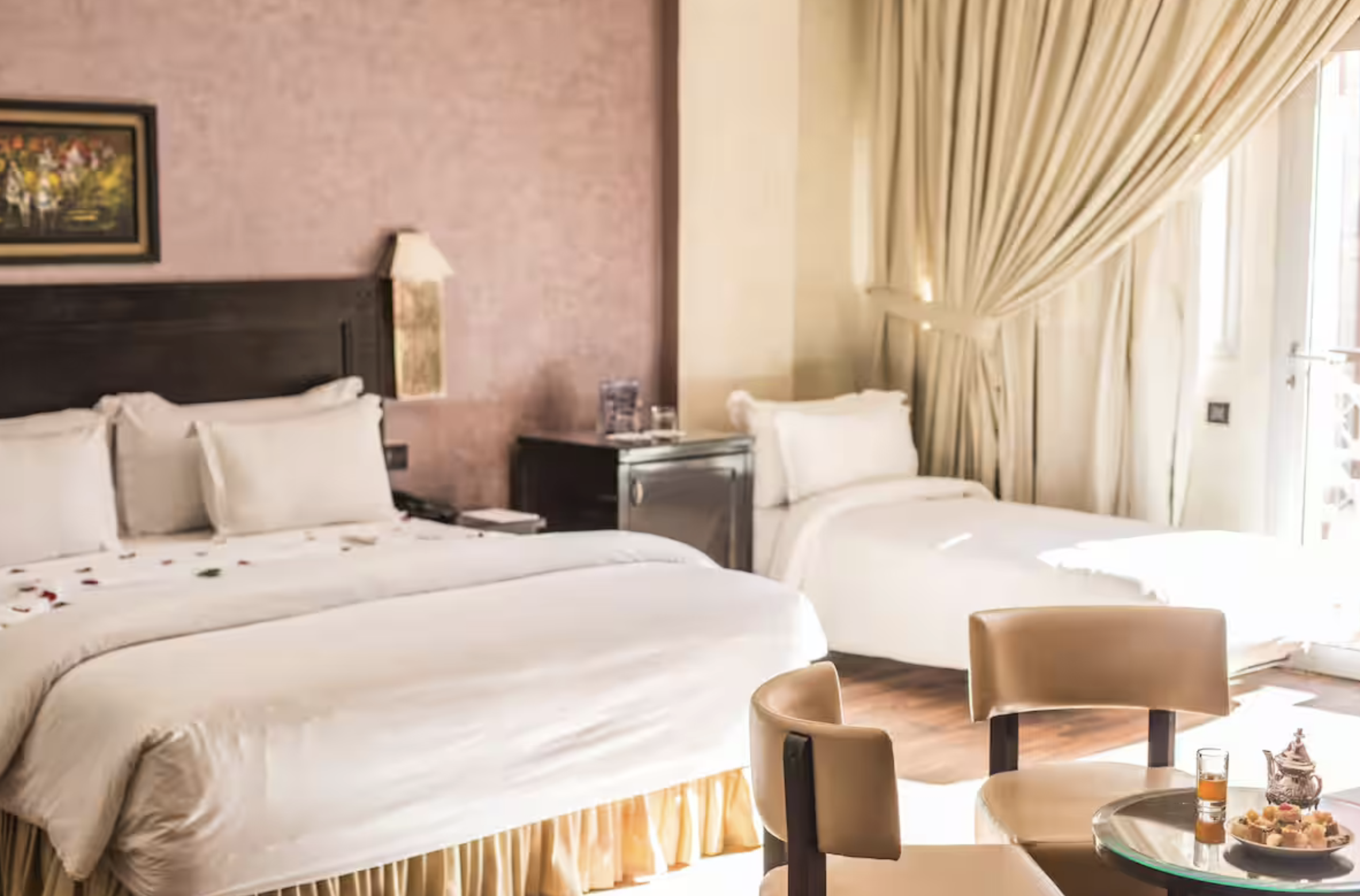


explore some of our guests' favoriteItineraries
Resources for traveling toMarrakech & Morocco
Experience Marrakech & Beyond withDiscover Sahara Tours
Plan a Customizable Private Tour
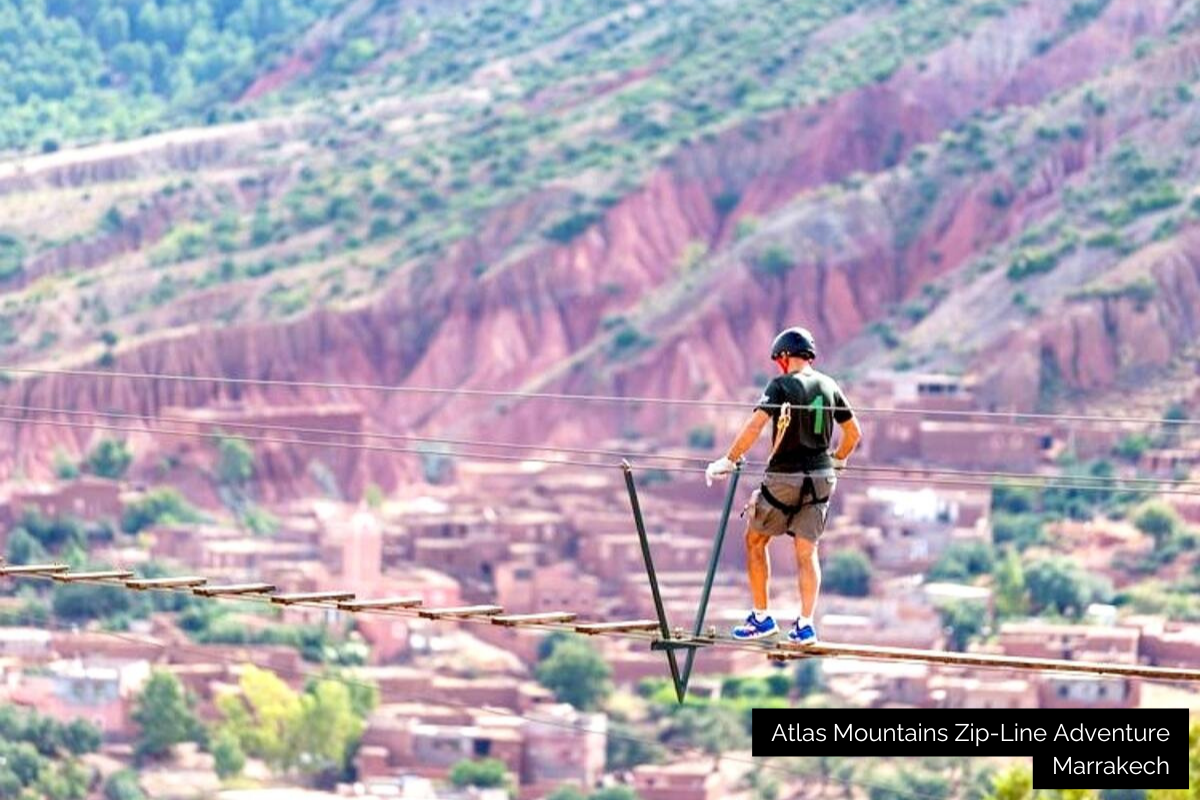
At Discover Sahara Tours, we specialize in creating personalized itineraries that cater to your interests. Whether you want to explore Marrakech’s hidden gems, take a day trip to the nearby Atlas Mountains, or embark on a grand Moroccan journey starting or ending in Marrakech, we can craft the perfect experience. From luxury accommodations to private guides, every detail is tailored to your needs.
Let us turn your Moroccan dreams into reality.